

If you are planning to promote your brand in China, you probably already know the big names: WeChat, Douyin, RedNote, Baidu and Weibo. But there is one platform many international companies still underestimate, even though it can quietly shape brand trust long before a customer is ready to buy — and that platform is Zhihu (知乎).
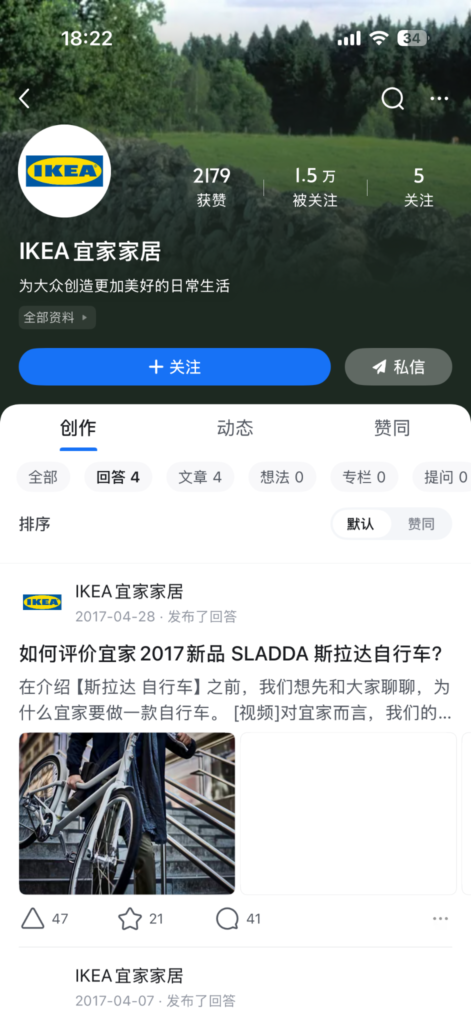
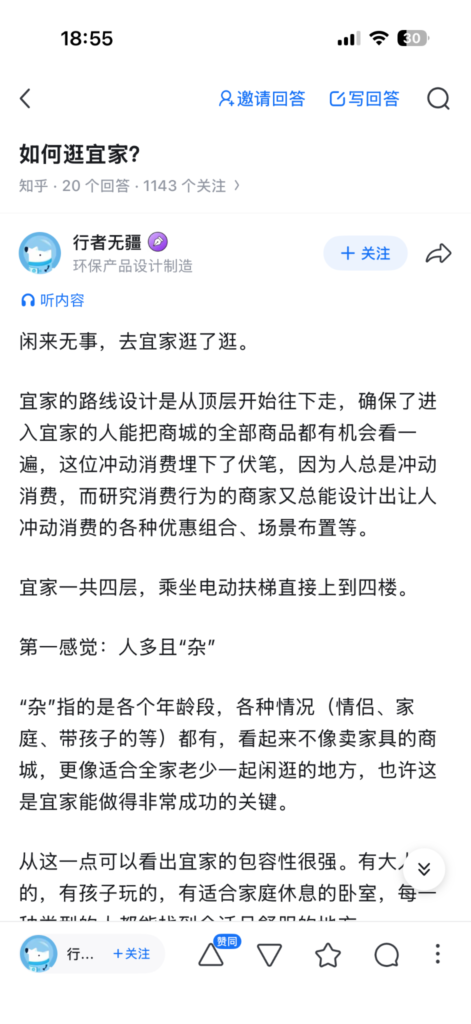
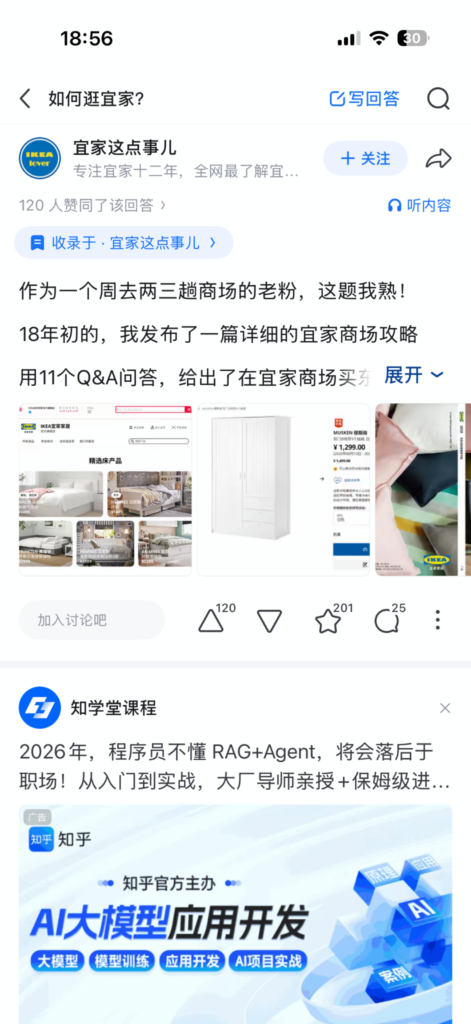
Zhihu is one of China’s most influential Q&A and knowledge-sharing platforms. Users go there to ask questions, read detailed answers, compare opinions, and understand topics before making decisions. It is often called “China’s Quora,” but for brands this comparison is too simple. Zhihu works not only as a Q&A website, but also as a search-driven content platform, a reputation channel, and a trusted space for deeper consumer research.
Unlike Douyin, where content is built around short videos and entertainment, or RedNote, where users often discover products through lifestyle recommendations, Zhihu is where people go when they want to understand something more deeply. They ask whether a product is reliable, how a service works, which option is better, what risks they should know about and whether a brand can be trusted.
For international brands entering China, Zhihu can become a powerful part of the marketing funnel. It helps you build authority before the user is ready to convert, which is especially important for products and services that require explanation, expertise, compliance awareness or long-term trust.
What is Zhihu?
Zhihu (知乎) is a Chinese knowledge-sharing and Q&A platform built around questions, answers, articles, discussions and long-form content. According to Zhihu’s 2024 SEC filing, the platform had an average of 83.0 million monthly active users in 2024, 77.7 million cumulative content creators as of December 31, 2024 and 874.6 million cumulative pieces of content on the platform.
The value of Zhihu is not only its audience size. It is the intent behind user behavior. People do not usually open Zhihu just to scroll quickly. They search, compare, read long answers, save content and evaluate arguments.
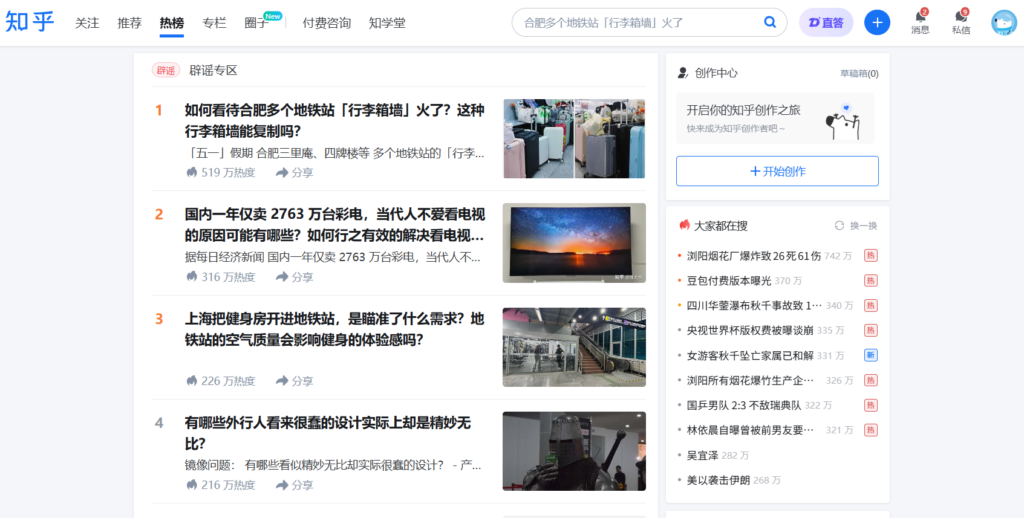
This makes Zhihu different from many entertainment-first platforms. It is especially useful when the user journey includes research, doubt, comparison and expert validation.
In simple terms, Zhihu is useful for brands when customers need to ask:
- Is this product or service reliable?
- How does it compare with alternatives?
- What do real users or experts say?
- What are the risks, costs or hidden details?
- Is this brand credible enough to contact?
That is why Zhihu marketing works best for companies that do not want only attention. They want informed attention from people who are actively trying to make better decisions.
Why Zhihu Matters for Brands in China
Chinese consumers rarely make decisions after seeing one ad. Before buying, booking, applying or submitting a lead form, they often check several platforms: Baidu for search, RedNote for recommendations, Douyin for video content, WeChat for official communication and Zhihu for deeper discussion.
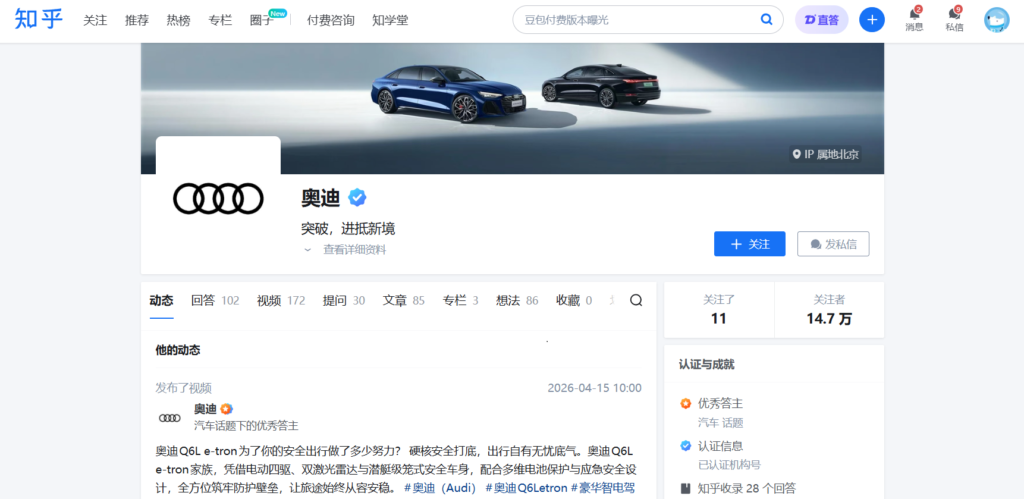
Zhihu fits naturally into the consumer decision journey. Users discover products through discussions, search for more details before buying, compare opinions, and often return after purchase to share their experience. For brands, this makes Zhihu especially valuable at the research and consideration stage, when potential customers are already interested but still need trust, proof, and clear explanations
At this point, the user is no longer just browsing. They are actively checking whether a product, service, or company is worth their time and money. For international brands, this moment is especially important because Chinese users may not know the company yet, may compare it with local competitors, or may look for practical answers before taking the next step.
If your brand is not present in these discussions, someone else will shape the narrative. It may be a competitor, a random comment, an outdated review, or a negative answer that stays visible for months. Zhihu marketing allows brands to enter the conversation in a more credible way: by answering real questions, explaining value, and building trust before pushing for conversion.
Who Uses Zhihu?
Zhihu’s audience is generally more information-driven than users on many short-video or entertainment platforms. Zhihu’s 2024 annual report shows that the platform still has a young and increasingly diverse audience: 73.8% of active users were under 30 as of December 31, 2024, while female users accounted for 59.4% of active users in December 2024.
Zhihu is also a creator-driven platform. By the end of 2024, it had 77.7 million cumulative content creators, and more creators were earning income from their content, with this number growing 20% year over year.
For brands, this creates a different type of media environment. Zhihu users are not only looking for entertainment. They often want analysis, explanation, comparison and credible opinion.
Zhihu is especially relevant for:
- B2B companies selling complex services or solutions to Chinese businesses, where buyers need explanations, comparisons, and proof before making contact.
- Education and study abroad brands where trust, outcomes and documentation matter.
- Technology and SaaS companies that need to explain features, use cases and ROI.
- Healthcare-adjacent, wellness and beauty brands that must handle claims carefully and educate users responsibly.
- Tourism and destination marketing where Chinese travelers compare safety, cost, routes, seasons and local experience.
- Finance-related and professional services where credibility and compliance are essential.
- High-value consumer products where users research reviews, specifications and long-term value.
- Foreign brands entering China that need to build trust before pushing conversion.
If your product can be explained in three seconds and sold through impulse buying, Zhihu may not be your first platform. But if your product requires trust, education, expert positioning or comparison, Zhihu can play an important role in your China marketing strategy.
Zhihu vs. Other Chinese Social Media Platforms
Many foreign brands make the same mistake in China: they treat all Chinese platforms as if they work in the same way. In reality, every platform has its own behavior, content logic and role in the funnel.
- Douyin is strong for fast awareness, short video storytelling, entertainment, trends and emotional impact.
- RedNote is strong for lifestyle discovery, visual inspiration, product seeding and peer recommendations.
- WeChat is essential for official communication, private traffic, community management and conversion.
- Baidu captures search demand when users are actively looking for information.
- Zhihu sits between search, social media, content marketing and reputation management.
Zhihu is not the best place for empty slogans. It is a better place for answering real questions, explaining difficult topics and influencing users who are already trying to decide.
This is why Zhihu content should not be copied from WeChat, RedNote, or international social media channels. A good Zhihu strategy needs more context, more structure, more evidence, and less obvious advertising.
The Main Benefits of Zhihu Marketing
Zhihu Content Marketing Strategy
A strong Zhihu marketing strategy starts with research. Before writing content, brands need to understand what Chinese users are actually asking.
This research should include:
- Category questions: What do users want to know before choosing this product or service?
- Competitor questions: Which Chinese and international brands are being compared?
- Price questions:What do users ask about cost, value and hidden expenses?
- Risk questions:What fears or objections appear in discussions?
- Experience questions: What do users want to know from real customers?
- Trust questions: What makes users believe or reject a brand?
For example, a tourism brand should not only publish general travel inspiration. It should answer practical questions: Is the destination safe? How much does the trip cost? Which season is best? Is it suitable for families? What should Chinese travelers prepare? How does it compare with Japan, Korea, Europe or Southeast Asia?
A B2B company should use the same logic. Users may want to know how to choose a supplier, what documents are required, how pricing works, which risks to avoid and what a reliable provider looks like.
After research, brands should build topic clusters rather than isolated posts. One answer is rarely enough. A good Zhihu presence usually includes expert answers, comparison articles, practical guides, FAQ-style content, industry explanations, case-based posts and reputation-focused answers.
Together, these materials create a stronger brand footprint across different search paths. The goal is not to repeat the same brand message everywhere. The goal is to answer different user intents with useful, localized content.

Zhihu is not a platform where brands should shout louder. It is a platform where brands should explain better. The best-performing strategy is usually not the most promotional one, but the one that answers real Chinese user doubts with enough detail, neutrality and proof.
Zhihu Advertising: How Paid Promotion Works
Zhihu also offers paid advertising opportunities, but advertising on Zhihu works best when it supports strong content. The platform is not only about banners or traffic. Its official marketing platform separates solutions into a Traffic Engine with rich ad styles, precise search scenarios and conversion tools, and a Content Engine with native content formats and Q&A-based scenarios.
This distinction is important. Zhihu ads can promote visibility, but the content still needs to match the user’s information journey.
The main paid promotion logic usually includes:
- Search-related advertising:Useful when users are already looking for category, brand, comparison or problem-solving questions.
- Native feed advertising:Useful for reaching relevant users inside Zhihu’s content environment.
- Promoted answers and articles: Useful when the brand has already created strong educational content.
- Content cooperation with creators: Useful when brands need a more credible third-party voice.
For international brands, the main advantage is that paid promotion can warm up users before conversion. Instead of sending cold traffic directly to a sales page, brands can first educate the audience through an answer, article or expert-style explanation.
However, paid promotion is not a shortcut. If the content is weak, too promotional, poorly localized or irrelevant to the question, advertising simply makes the weakness more visible. The best results come when paid traffic supports platform-native content and a clear conversion path.
How to Build a Zhihu Marketing Campaign
-
Define the Role of Zhihu in Your China Strategy
The first step is to decide what Zhihu should do for your brand. For some companies, Zhihu is mainly a reputation channel. For others, it supports lead generation, SEO visibility, expert positioning, category education or competitor comparison.
Your campaign structure depends on this goal. A B2B software company may need expert answers and comparison content. A tourism board may need practical travel guides and seasonal planning content. A beauty or wellness brand may need careful education and compliance review.
-
Analyze User Questions and Search Behavior
Before creating content, analyze popular questions, existing answers, competitor mentions, user comments, negative discussions and repeated objections. This will show you where the strongest opportunities are.
Look for questions where users are already close to a decision:
“Is [brand/category] worth it?”
“How to choose [product/service]?”
“What are the disadvantages of [option]?”
“Which is better: [A] or [B]?”
“What should I know before buying/applying/booking?”
These questions are valuable because they reveal the exact doubts that affect conversion.
-
Build a Chinese Content Matrix
A strong Zhihu content matrix may include:
Brand introduction answers for users who search your company name.
Expert explanations that educate users about the category.
Comparison posts that help users evaluate alternatives fairly.
How-to guides that solve practical problems.
Myth-busting content that corrects misunderstandings.
Industry analysis that builds authority.
FAQ answers that remove objections before conversion.
Each piece should answer one user intent. Repeating the same sales message across different questions will not work.
-
Prepare the Right Account and Credibility Structure
An official Zhihu account can help users verify your company’s presence. However, official content can sometimes feel too corporate if it is written like a press release.
In many cases, brands also benefit from cooperation with industry experts, KOLs, KOCs or professional content creators who understand Zhihu’s tone. The goal is to combine brand control with platform-native credibility
-
Launch Paid Promotion After the Content Foundation Is Ready
Paid promotion should usually come after the content foundation is prepared. Campaigns can then be tested by topic, keyword, audience, content format and conversion path.
Do not measure Zhihu only by impressions and clicks. Better indicators include saves, comments, follower growth, reading depth, search visibility, landing page visits, inquiries and lead quality.
Common Mistakes Brands Make on Zhihu
Is Zhihu Right for Your Brand?
Zhihu is a strong platform for brands that need to build trust, explain value, influence decision-making and create long-term content visibility in China.
It is especially suitable for companies with complex products, high-value services, expert knowledge or longer sales cycles. It is less likely to be the first priority for brands that depend only on visual appeal, short trends or impulse buying.
That does not mean lifestyle brands should ignore Zhihu. Even when Douyin or RedNote are stronger for awareness, Zhihu can still support reputation, search visibility and consumer confidence.
The strongest China marketing strategies usually do not rely on one platform:
- Douyin creates fast awareness.
- RedNote builds lifestyle desire and peer recommendation.
- Baiducaptures search demand.
- WeChat converts and retains users.
- Zhihu answers doubts and builds authority.
For international companies, this combination is especially important. A user may first discover your brand through a video, then search for reviews, read a Zhihu answer, check your WeChat account and only then contact you.
Zhihu helps make sure the research stage works in your favor.
Launch Your Zhihu Marketing Strategy with Mates Asia
Zhihu marketing is not about opening an account and publishing a few translated posts. To make the platform work, brands need audience research, Chinese-language content strategy, platform-native writing, paid promotion setup, compliance control and performance analysis.
At Mates Asia, we help international brands build effective promotion strategies for the Chinese market. Our team works with Chinese social media platforms, paid advertising, KOL campaigns, content localization, Baidu SEO, PR and full market entry support.
If you want to understand whether Zhihu is the right platform for your brand, we can help you evaluate the opportunity, build a content strategy and launch campaigns adapted to China’s digital ecosystem.
Our team is ready to consult you!
FAQ
Yes, overseas brands can open a corporate Zhihu account by submitting their international business license as part of the company verification process.
A verified corporate account gives you access to marketing and advertising tools, including paid promotion, native advertising formats, and additional visibility features for your brand.
Typically, you need the company name, a scan or photo of a valid business license, details of the responsible account operator (name and ID), your desired account name, and the industry category.
After successful review, the account receives a verification badge, and an annual service fee (around 300 RMB) is charged to maintain verified status.
No, you cannot simply switch a personal account into a corporate profile; brands need to open a separate business account using a corporate email address and a full set of company documents.
For this reason, companies should plan their account structure from the start: separate personal profiles for experts and a dedicated official brand profile.
Basic account registration is fast, but business verification for a foreign company usually takes around 2 to 4 weeks.
The timeline depends on how complete and accurate your documents are, the quality of translations/localization, and the speed of communication with Zhihu’s support team in Chinese.