
Eight out of ten Chinese internet users have bought a product through a live stream at least once. In 2024, the country’s livestream commerce market generated 4.5 trillion yuan in gross merchandise value, or GMV. Forecasts suggest it will surpass 1 trillion US dollars by 2026.
Chinese consumers do not just watch streams. They buy. They do this so often that live commerce has become a core sales channel for thousands of brands, from electronics giants to small beauty labels.
But the market is changing fast. The pandemic driven boom has given way to professional competition. Platform shares have shifted. Today, the winners are not those who shout the loudest about discounts, but those who explain, demonstrate, and build trust.
This overview uses real numbers and current trends to give you a clear, step by step plan for launching your brand’s live commerce in China without chaos or wasted budget.
Why live commerce became the norm in China
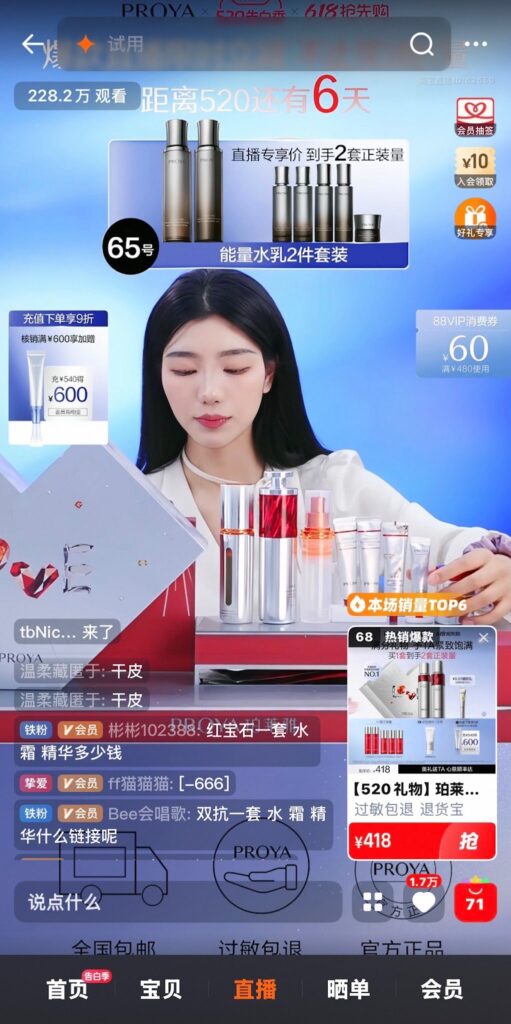
The reasons for China’s live commerce success are straightforward. First, 99.6 percent of Chinese internet users go online through their smartphones. The phone is the centre of life, handling payments, messaging, entertainment, and shopping all in one screen. Live commerce fits this model perfectly. Users open an app, see a stream, and tap to buy without leaving the broadcast.
Second, trust. Chinese consumers are tired of photoshopped images and fake reviews. A real person who touches, tries, tests, and even makes mistakes builds trust. Key Opinion Leaders, or KOLs, and Key Opinion Consumers, or KOCs, have spent years building strong connections with their audiences. Their recommendations sell better than any advertisement.
Third, entertainment. A stream is not just a shop. It is a show. The chat, giveaways, surprise discounts, and the host’s reactions keep people watching for fun.
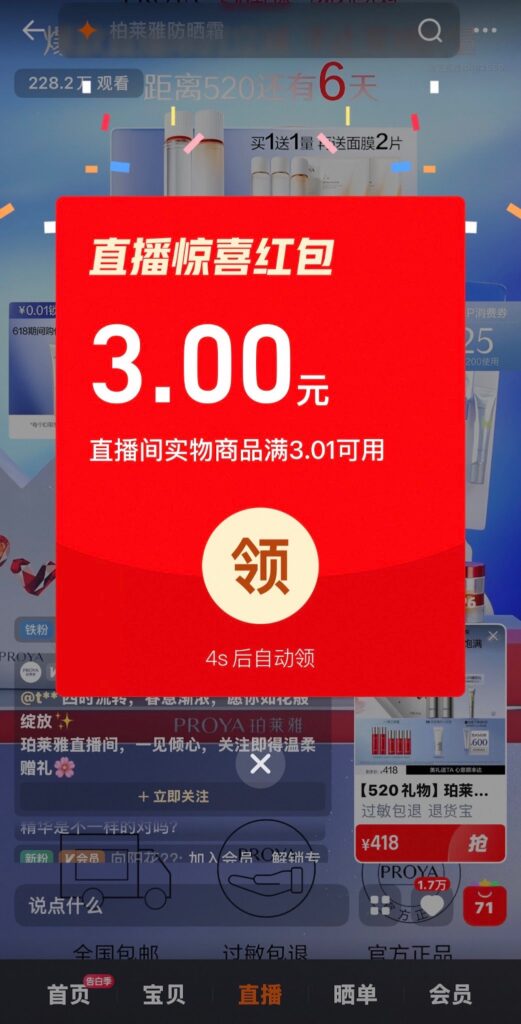
Fourth, urgency. Limited stock, countdown timers, and phrases like «only for those watching now» work every time.
The result is that live commerce in China is not a temporary trend. Global surveys show that 81 percent of Chinese online shoppers participate in live shopping. For comparison, the United States is at 40 percent, and Japan is at only 15 percent.
Top 5 live commerce platforms in China
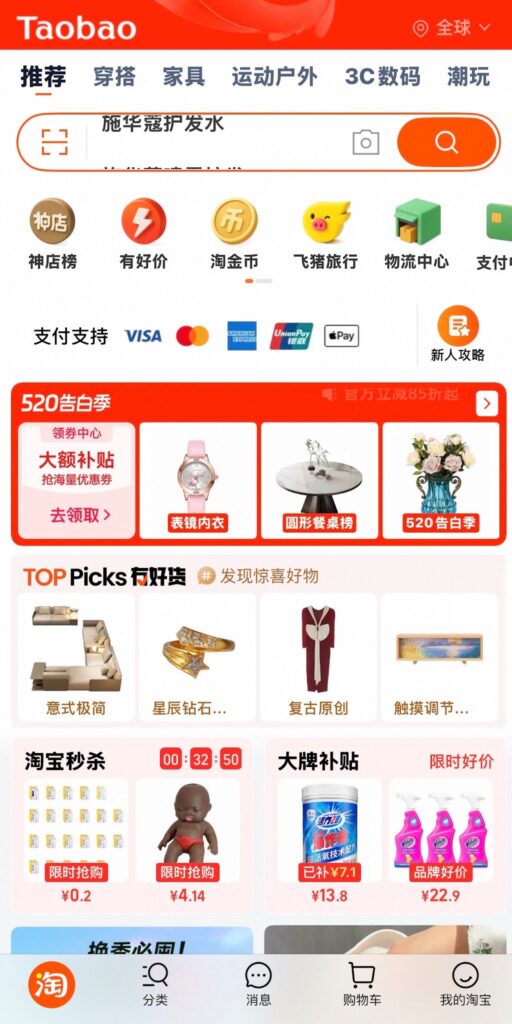
The market is divided among five major players. The old assumption that Taobao Live is the undisputed leader is no longer true.
Taobao Live, most used, but not the largest by GMV
Taobao Live remains the most popular service among users. About 74 percent of surveyed Chinese shoppers use it for live shopping. However, by share of total GMV, Taobao lost the lead to Douyin and Kuaishou back in 2022.
Taobao’s parent platform has over 800 million monthly active users. That is a huge base. But organic reach for streams on Taobao Live without paid promotion is close to zero. Competition is fierce, and success requires a serious budget.
In 2026, Taobao Live is focusing on premium streams with experts and luxury brands. If you have a mass market product and a large budget, Taobao remains an option.
Douyin Live, the new GMV leader
Douyin, the Chinese version of TikTok, has made a remarkable leap. In 2022, its share of GMV among leading live commerce platforms reached 47 percent, surpassing Taobao. Today, Douyin Live is the largest livestream sales channel by transaction volume.
Douyin has 746.5 million monthly active users. Of these, 65 percent are under 35 years old. The platform is ideal for impulse buys such as cosmetics, clothing, accessories, and home goods. Its algorithm actively recommends streams to random viewers, even if a channel has few followers.
A crucial trend from 2024 is that on Douyin, 70 percent of e commerce streams are now run by brands themselves. This is called merchant led streaming. Brands open their own studios, hire hosts, and control pricing and messaging from start to finish.
Kuaishou Live, steady second player
Kuaishou was long seen as a platform for smaller cities, but its audience is highly loyal. By GMV share, Kuaishou ranks second with 27 percent based on 2022 data. The platform is particularly strong in agricultural products, affordable clothing, home goods, and budget electronics.
Streams here are authentic, not glossy. If your product has a low price and you are ready to build long term relationships, Kuaishou is a great fit.
JD.com Live, premium and electronics
JD Live occupies the niche for expensive, trust sensitive purchases. These include electronics, home appliances, and luxury brands. Its main advantages are its own logistics, which offer delivery within 24 hours, and a 100 percent authenticity guarantee.
Although JD’s share of total live GMV is smaller than the leaders, it remains a must have channel for brands selling high value products that cannot afford any doubt about quality.
Xiaohongshu Live, explosive growth
Xiaohongshu, also known as Little Red Book, started live streams later than everyone else, but the results are striking. In 2023, Xiaohongshu Live’s GMV grew 4.2 times compared to the previous year. This is the highest growth rate among all platforms.
Xiaohongshu does not try to compete with Taobao or Douyin on volume. Its niche is premium products that need explanation. These include high end skincare, supplements, vitamins, maternity and baby products, and niche fashion.
Streams here are quiet. There is no shouting. Hosts calmly break down ingredients, show lab tests, and answer complex questions. Buyers come already informed and ready to purchase. If your product requires explanation and has a higher price point, Xiaohongshu Live will give you the best return.
Which product categories sell best via live streams
Not every category performs equally well in live commerce. According to surveys, the breakdown is as follows.
Apparel and fashion account for 39 percent of livestream shoppers’ purchases. Beauty and personal care make up 34 percent. Household supplies and electronics represent 30 percent. Health and wellness products, including supplements and vitamins, account for 25 percent.
These numbers matter for platform choice. Fashion and beauty work well on Douyin and Xiaohongshu. Electronics belong on JD Live. Health products fit Xiaohongshu because of high trust. Affordable home goods do well on Kuaishou.
Live commerce trends you cannot ignore
In 2024, 70 percent of e-commerce streams on Douyin were run by brands themselves rather than by invited celebrities. Brands are setting up in house studios, hiring full time hosts, and experimenting with formats such as demos, question and answer sessions, and behind the scenes tours. This lowers costs, gives full control over pricing and messaging, and builds trust because viewers see real employees, not hired actors.
Quiet, expert streams instead of loud sales pitches
Chinese consumers have grown tired of aggressive «buy now» shouting. The winners are those who explain and educate. New Oriental, a major education company, sells products through streams that combine English lessons with cultural insights. Their hosts are professional teachers, not showmen.
Professionalisation of hosts
Streamers are no longer just charismatic amateurs. They are trained professionals with skills in sales techniques, deep product knowledge, and audience engagement. Brands are investing in host training or hiring through MCNs, which are multi channel networks.
Tighter regulations
The Chinese government introduced a «Code of Conduct for Online Streamers» in 2022. Rules have become stricter. There are bans on misleading claims, fake discounts, and low quality products. Platforms fine violators. For honest brands, this is good news. Fair competition is increasing.
Expansion into smaller cities and rural areas
Better internet infrastructure is bringing live commerce to third and fourth tier cities and rural regions. Farmers and local producers sell directly via Taobao Live, bypassing middlemen. For brands, this means a new audience with growing purchasing power.
MCNs remain important
Multi channel networks, or MCNs, are agencies that manage groups of streamers, handle production, logistics, and legal support. For foreign brands, MCNs are often the fastest entry point. They already have proven hosts, equipment, and platform relationships. Commissions range from 15 to 30 percent of sales, but they save years of building infrastructure from scratch.
Generational differences: who buys via live streams
According to survey data, 34 percent of Gen Z shoppers in China use live commerce. For comparison, only 19 percent of Gen Z prefer traditional e commerce. This is the highest adoption rate among all age groups.
Among millennials, the gap is smaller. About 38 percent use traditional e commerce, and 31 percent use live streams. Gen X and boomers still prefer conventional online stores.
This means live commerce is primarily a channel for reaching younger audiences. If your product targets people under 30, not having live streams is a serious problem.
Global context: China leads by a wide margin
China is the absolute leader in live commerce adoption. About 81 percent of online shoppers in the country participate in live shopping. For comparison, here are the figures for other countries.
India has 75 percent. Thailand has 73 percent. The United Arab Emirates has 72 percent. The United States has 40 percent. The United Kingdom has 35 percent. Australia has 31 percent. Germany has 26 percent. Japan has 15 percent.
These numbers explain why international brands are increasingly entering China’s live commerce market. A format that is still emerging in the West has already become everyday reality in China.
How to launch live commerce: a step by step guide
FAQ
In 2024, the market reached 4.5 trillion yuan, which is about 625 billion US dollars. The forecast for 2026 exceeds 1 trillion US dollars. Eight out of ten Chinese internet users have bought through a live stream at least once.
By GMV share, Douyin leads with 47 percent as of 2022. Kuaishou follows with 27 percent, then Taobao Live. By user base, Taobao Live is still the most used, with 74 percent of shoppers using it.
Apparel and fashion account for 39 percent of purchases. Beauty represents 34 percent. Household goods and electronics make up 30 percent. Health and wellness products account for 25 percent. These figures come from shopper surveys.
The easiest way is through cross border e commerce platforms such as Taobao and Douyin. These allow streaming without registering a local legal entity. They handle payments, logistics, and compliance. You can also work with an MCN agency.
Yes. Without an integrated store where users can click «buy» in one click, conversion will drop several times.
To maintain interest, stream once or twice a week. To launch a new brand, stream three to five times a week for the first month. Consistency matters more than one off big events.
Technically yes, if they speak the language perfectly and understand cultural nuances. However, Chinese viewers trust Chinese hosts more. Hire a local host, and invite your foreign brand ambassador as a guest.
An MCN, or multi channel network, manages streamers, production, logistics, and platform relationships. For foreign brands, MCNs are often the fastest route to market. Their commission is 15 to 30 percent of sales.