

South Korea has one of the highest social media penetration rates in the world – over 90% of the population uses social platforms. It is a highly digital and solvent market. Brands enter it to increase sales. However, local platforms and consumer behaviour differ from what many international marketers are used to. Without understanding these differences, campaigns fail.
This guide gives a step‑by‑step plan for running influencer marketing in South Korea. It covers platforms, influencer types, pricing, and legal rules.
THE KOREAN MARKET – KEY FEATURES
Market Growth and Ad Spend
The social commerce market in South Korea exceeded $40 billion in 2025. Brands are moving budgets from TV to digital collaborations with content creators.
Korean consumers are careful buyers. According to Totem (2025), 82% of Koreans have taken part in livestream sales. But their trust in influencers is lower than in Southeast Asian markets. Reach does not guarantee sales. Brands need facts, transparency, and honesty.
The Power of K‑Influence
Korean Key Opinion Leaders (KOLs) have strong cultural authority. Trends appear and disappear in days. For example, tanghulu (candied fruit) or maratang (spicy soup) become national hits within a week.
Influencers act as trend barometers. When they post about a product, the community accepts or rejects it instantly. If the product is poor or the content is fake, the audience reacts harshly. Campaigns must be built on product quality and honest storytelling.
SOUTH KOREA’S SOCIAL MEDIA ECOSYSTEM
Many international brands rely only on Instagram, YouTube, and TikTok. That is not enough, local platforms dominate the Korean internet. Without them, a brand does not reach most consumers.
Naver – Search, Blogs, and Cafes
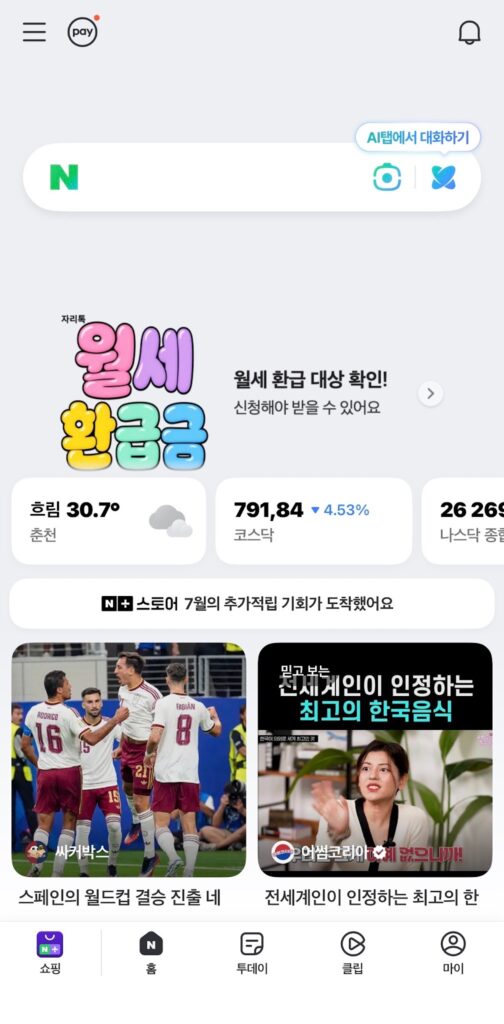
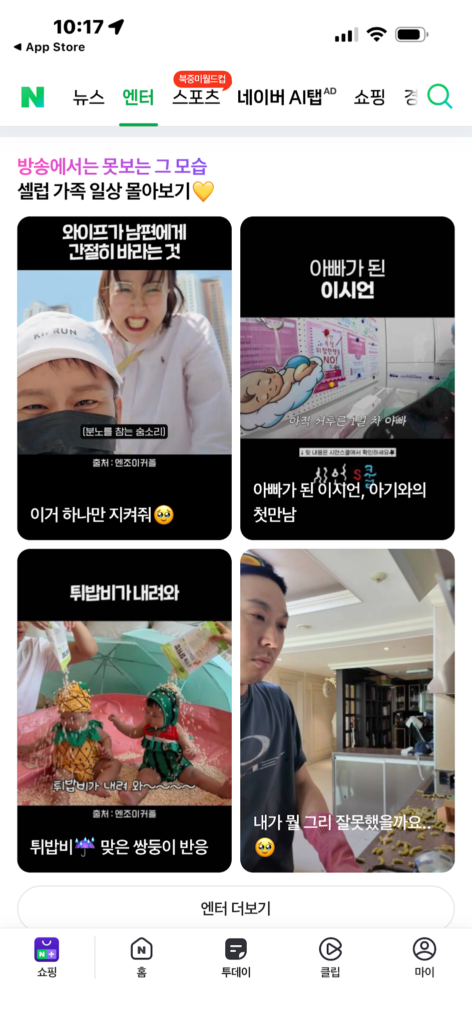
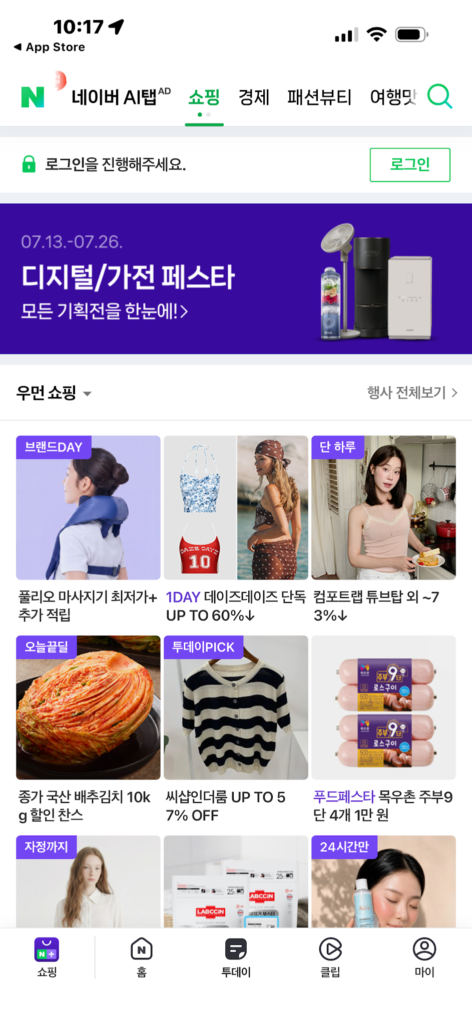
Naver is South Korea’s main search engine. It handles about 70% of all search queries. Google has less than 20%.
Koreans search for specific reviews, not generic categories. That is why Naver Blog influencer marketing is essential. Influencers publish structured posts with photos. They answer questions like: “Why I bought this,” “Honest review,” “How to use it.” These posts rank high in search results and directly affect purchase decisions.
A typical Naver blog post includes a clear headline, a summary of the product’s main features, and a personal verdict. The influencer also adds multiple photos taken in different lighting or settings. This level of detail builds credibility. Readers use these posts to confirm whether the product matches their expectations.
Naver Cafe is a private, interest‑based community. Micro‑influencers often manage these groups. A product mention in a Cafe gives higher conversion than Instagram. The audience is already motivated and trusts other members.
Bottom line: Without Naver, a brand stays invisible in search and misses the research stage of the buying journey.
Instagram and YouTube
Instagram and YouTube are used in South Korea for visual content. Influencers in K‑fashion and K‑beauty publish posts and videos there. YouTube hosts unboxing and detailed reviews, which are popular with buyers of electronics and cosmetics. These platforms complement Naver and KakaoTalk, but they do not replace them.
TikTok
TikTok is the main driver of viral trends. TikTok Shop launched in South Korea in 2025. Its share in e‑commerce is still small, but growth is above average.
KakaoTalk
KakaoTalk is the messaging app used by over 48 million Koreans – nearly the entire population. Brands use “Plus Friend” channels for promotions. Influencers use open chat rooms to talk with fans in real time. Conversion through KakaoTalk is often higher than through other channels. The conversation feels personal and immediate.
TYPES OF KOREAN INFLUENCERS
The choice of influencer depends on campaign goals, budget, and the level of trust required.
- Micro‑influencers (5,000–50,000 followers). High trust and niche expertise. Effective for detailed reviews on Naver and Instagram. Cost per post: a few hundred to around $800. They are often specialists in a single category – for example, skincare, gaming accessories, or home appliances. Their audience trusts their opinions because they stay within a narrow field.
- Macro‑influencers (100,000–500,000). Balance of reach and relatability. Suitable for YouTube reviews and medium‑sized campaigns. Cost per post: several thousand dollars. They cover broader topics like fashion, travel, or lifestyle. They are useful for building awareness while keeping a personal connection with followers.
- Mega‑influencers (over 1 million). Build image and mass awareness. Cost starts from several thousand dollars. They are often celebrities, K‑pop idols, or mainstream TV personalities. Their posts generate large reach but lack the intimacy that drives conversions.
According to agency data, micro‑influencers convert 2–3 times better than celebrities. Totem confirms that Koreans trust friends and family more than stars. Micro‑influencers are seen as peers. For sales‑driven campaigns, they are the best choice.
Industry specifics
- K‑Beauty. High competition. Influencers analyse ingredients. If a product does not perform, they criticise it publicly. Brands must provide clinical data and be transparent.
- Fashion. Main formats: Instagram Reels, outfit‑of‑the‑day posts, styling tutorials. Many influencers work on barter, but exclusive shoots require a fixed fee.
- Gaming & Tech. This niche relies on YouTube and streaming. Unboxing and comparison videos are popular. Tech influencers are seen as authoritative reviewers. Their opinion affects product launches.
STEP‑BY‑STEP GUIDE TO LAUNCHING A CAMPAIGN
Goals and KPIs per Platform
Generic goals like “increase awareness” do not work. You need specific KPIs.
- Naver: growth in branded search traffic (tracked via Naver Analytics).
- Instagram: growth in engagement (comments are more important than likes) and follower count.
- YouTube: increase in watch time (affects algorithmic visibility).
- Coupang / Naver Shopping: direct sales via promo codes or affiliate links.
In the first three months, focus on Naver and Instagram. These platforms cover the research and desire stages.
Finding Influencers and Working with Agencies
There are three ways to find influencers.
- Self‑sourcing – searching hashtags on Instagram, YouTube, and Naver. Most micro‑influencers do not speak English. Negotiations without Korean are nearly impossible. Cultural misunderstandings can also occur – for example, the tone of a message or the timing of a follow‑up may be perceived as rude.
- Aggregator platforms – services like Influence Korea or Brandconnect. They simplify discovery but often require local business registration and do not cover legal issues.
- Hiring an agency – the recommended option for first‑time entrants. An agency typically does:
- filter out fake followers (such a market exists in Korea);
- communicate in Korean with cultural nuances;
- handle contracts and FTC label compliance;
- manage product shipments and coordinate with influencers on deadlines.
Choose agencies that work with Naver and KakaoTalk, not only Instagram and TikTok. Local platforms reach the majority of consumers.
Pricing, Contracts, and Logistics
Pricing models:
- Fixed fee + usage rights (standard).
- Fee + CPA (commission on sales) – common in K‑beauty and electronics.
- Barter (free product for a post) – works only with micro‑influencers and does not guarantee publication.
Contracts must specify:
- publication deadlines;
- content usage rights (duration, territory, permission to use in advertising);
- FTC labelling requirements;
- product return or replacement terms.
Logistics: shipping to Korea requires customs clearance. Best practices:
- use local warehouses or ship stock in advance;
- allow 2–5 days for customs;
- work with logistics partners experienced in cosmetics and electronics.
FTC COMPLIANCE RULES IN SOUTH KOREA
Legal compliance is mandatory. The South Korean Fair Trade Commission (KFTC) tightened rules on undisclosed advertising in 2024. Fines can be significant.
Labeling Paid Content and Product Placements (PPL)
Influencers must state that content is advertising if they receive compensation – cash, free products, or travel.
Labelling requirements:
- text posts: hashtags #광고 (Ad) or #협찬 (Sponsored);
- videos: on‑screen text for at least 3 seconds;
- Naver blogs: a separate banner or line before the main text.
There are no exceptions. Even if a product is given without a contract, a positive mention counts as sponsorship and must be labelled.
A common mistake is to use a generic hashtag like #review instead of #ad. This does not meet the KFTC standard. The label must be unambiguous. The reader should immediately understand that the content is paid promotion.
How to Avoid Negative Reactions
Korean netizens are vigilant. They quickly spot undisclosed advertising and report it to the KFTC, hurting the influencer’s reputation.
Recommendations:
- Do not ask for 5‑star reviews – this is prohibited. Only an “honest review” may be requested.
- Give influencers a Korean‑language checklist on how to label correctly.
- Monitor comments within the first 24 hours after publication. If users point out a violation, remove the post and republish with correct labelling.
- Include an FTC compliance clause in the contract.
FAQ
In 2026, a post by a micro‑influencer (5k–50k followers) in Seoul costs from a few hundred dollars to about $800 on Instagram or Naver Blog. A YouTube video (3–10 minutes) starts from $1,000. Short‑form content for TikTok or Reels ranges from $150 to $500. Prices increase if exclusive rights or non‑compete clauses are requested. Rates also depend on the influencer’s engagement rate and the complexity of the content – for example, a simple photo post costs less than a custom video.
Yes. An agency does three things:
- Filters out fake accounts.
- Communicates in Korean with cultural understanding.
- Handles legal labelling and takes responsibility.
Self‑sourcing is possible but carries higher risk and takes 3–4 weeks of extra time.
In Korea, purchase decisions are made after research, not after looking at a picture. The typical journey: see on Instagram → search for reviews on Naver → compare prices on Coupang → buy via Naver Shopping or Coupang. Instagram creates desire, but Naver provides the rational justification. Without Naver blogs, a brand lacks the credibility needed to close a sale. Naver’s algorithm ranks fresh, high‑quality content, so blogs need regular updates. Even a single Naver blog post can appear in search results for months, generating consistent organic traffic.