
China is a separate digital market. As we move through 2026, the rules of engagement have shifted again. The era of simply hiring a celebrity with millions of followers is fading. Today, success belongs to brands that master the delicate ecosystem of Key Opinion Leaders (KOLs) , Key Opinion Consumers (KOCs) , and emerging Cultural Opinion Leaders (COLs) .
With China’s influencer market value stabilizing into a mature, multi-billion dollar ecosystem, authenticity, compliance, and hyper-localization are the only paths to ROI. This guide provides your blueprint for navigating Douyin, Xiaohongshu, and WeChat to build a campaign that converts likes into loyal customers.
Defining Influencer Marketing Within China’s Ecosystem
Influencer marketing in China is the practice of leveraging social media creators to promote products directly within China’s digital ecosystem. Here Key Opinion Leaders (KOLs) and Key Opinion Consumers (KOCs) act as trusted filters and quality-assurance agents for consumers.
With over 1.02 billion (according to the Global Statistics) active social media users, China has the world’s largest influencer market. However, it operates on its own terms — with platforms like Douyin (Chinese TikTok), Xiaohongshu (Little Red Book), and WeChat replacing Google, Instagram, and Amazon. Success requires more than translation; it demands deep cultural integration and platform-specific expertise.
Why Influencer Marketing Works in China
What is your platform for Influencer Marketing in China
Selecting the right platform in this fragmented social media landscape is arguably the most critical decision you will make. China demands a platform-by-platform approach based on your industry, target demographics, and campaign goals.
For beauty
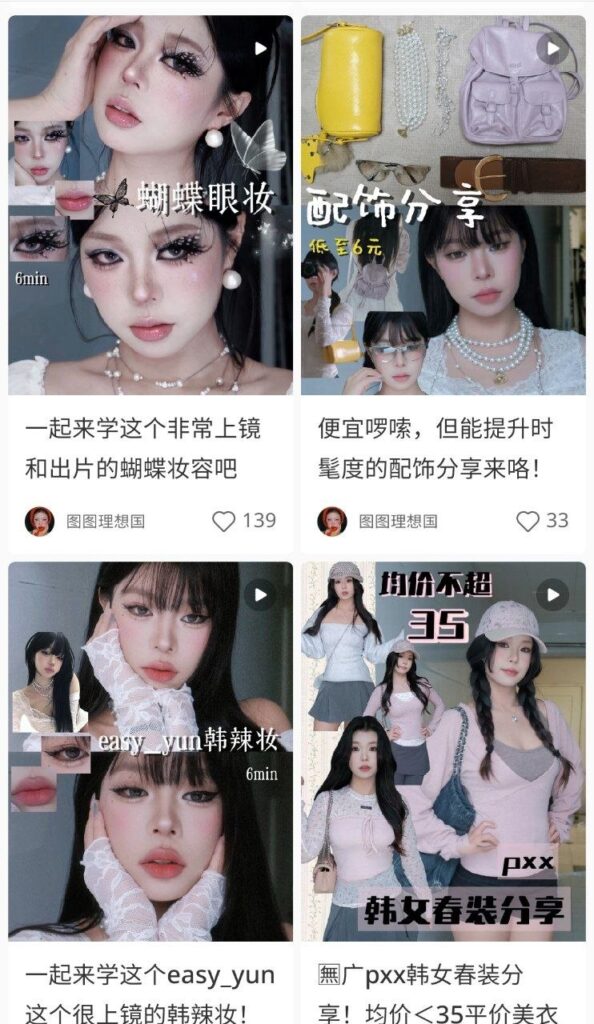
For beauty and skincare brands, the winning combination is Xiaohongshu and Douyin. Xiaohongshu, often called China’s Instagram, is the go-to destination for Gen Z and millennial women seeking trusted reviews, tutorials, and before-and-after comparisons. Its community thrives on authenticity and detailed product experiences. Douyin complements this by driving impulse purchases through short, engaging videos and livestreams, particularly during shopping festivals like Double 11 and 618. Together, these platforms build both credibility and urgency.


For fashion and lifestyle
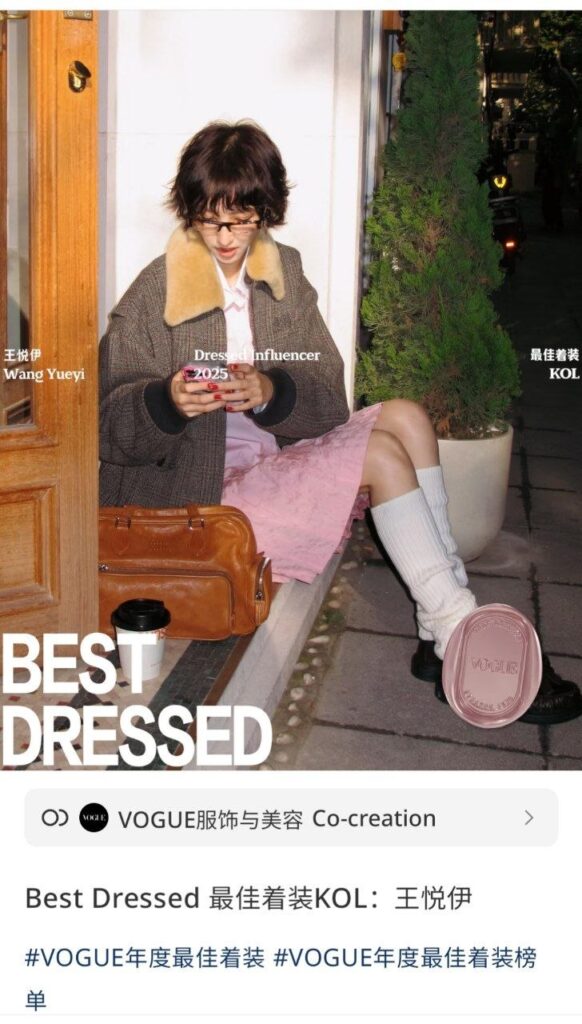
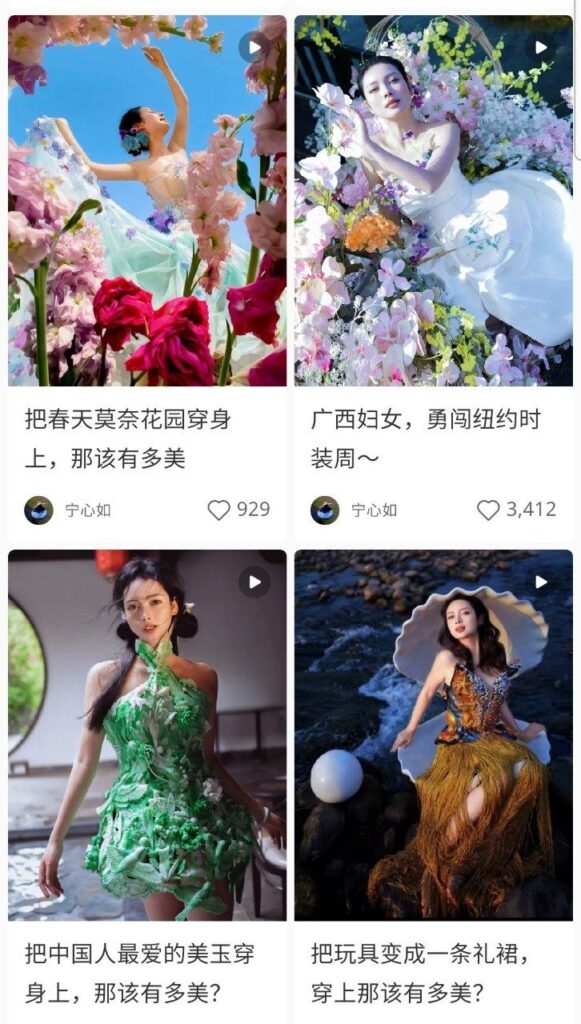
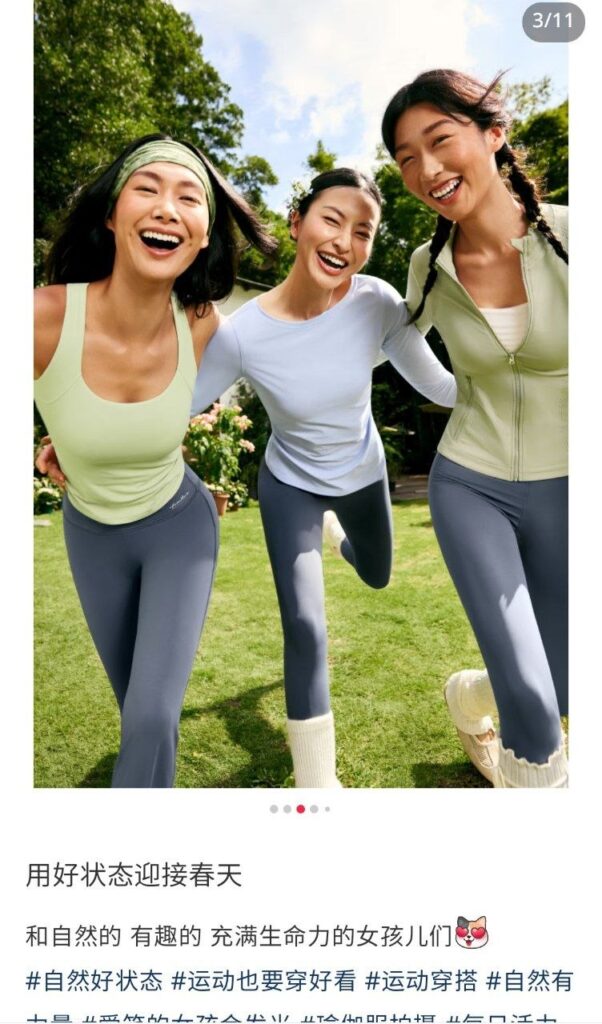
Fashion and lifestyle brands should focus on Xiaohongshu for aspirational and relatable outfit inspiration, Douyin for fast conversions through trendy styling videos, and Weibo for amplifying visibility via hashtag challenges and celebrity collaborations.

For food and beverage
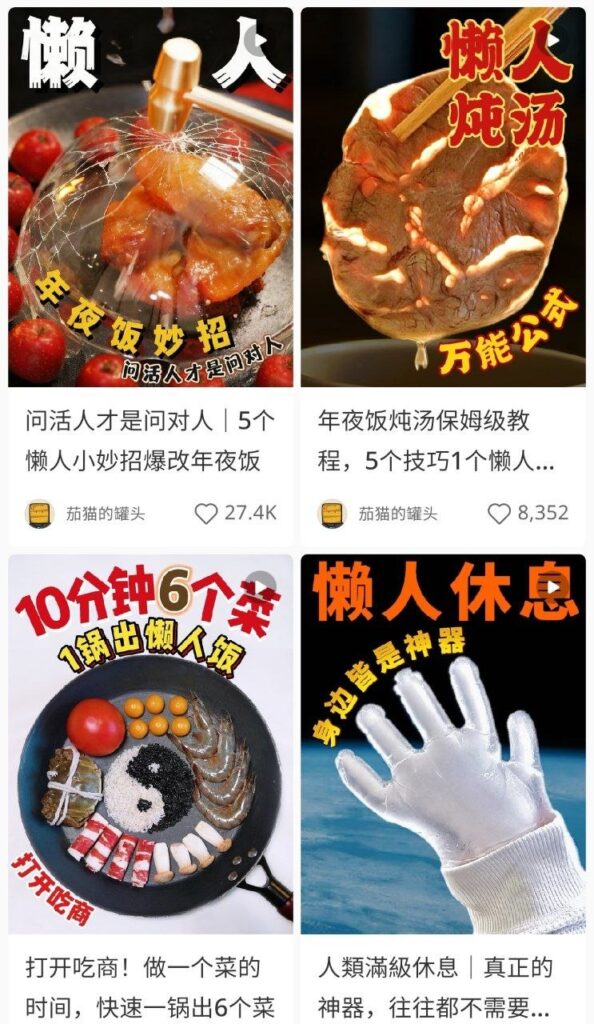
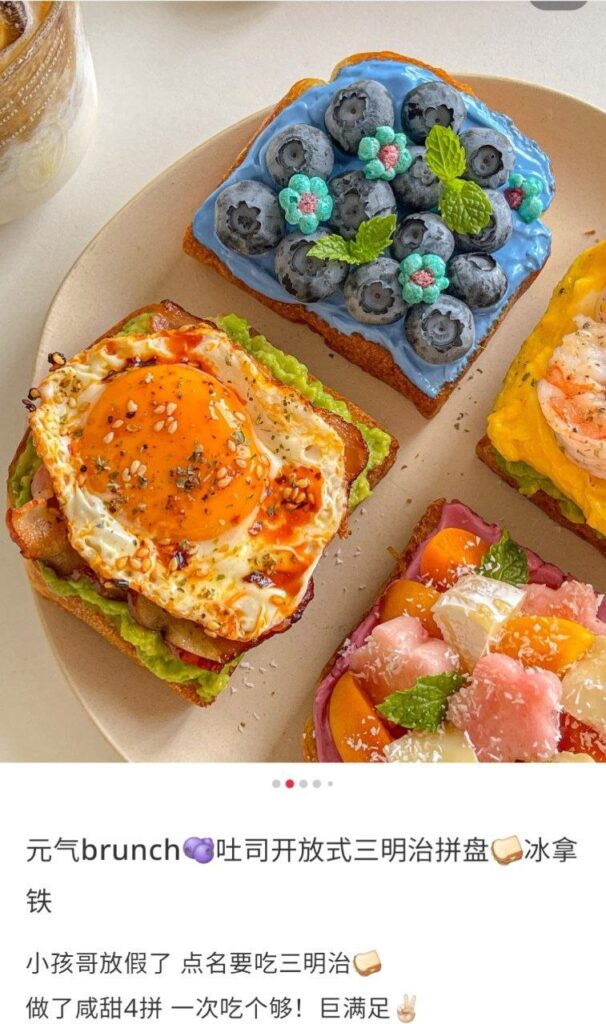
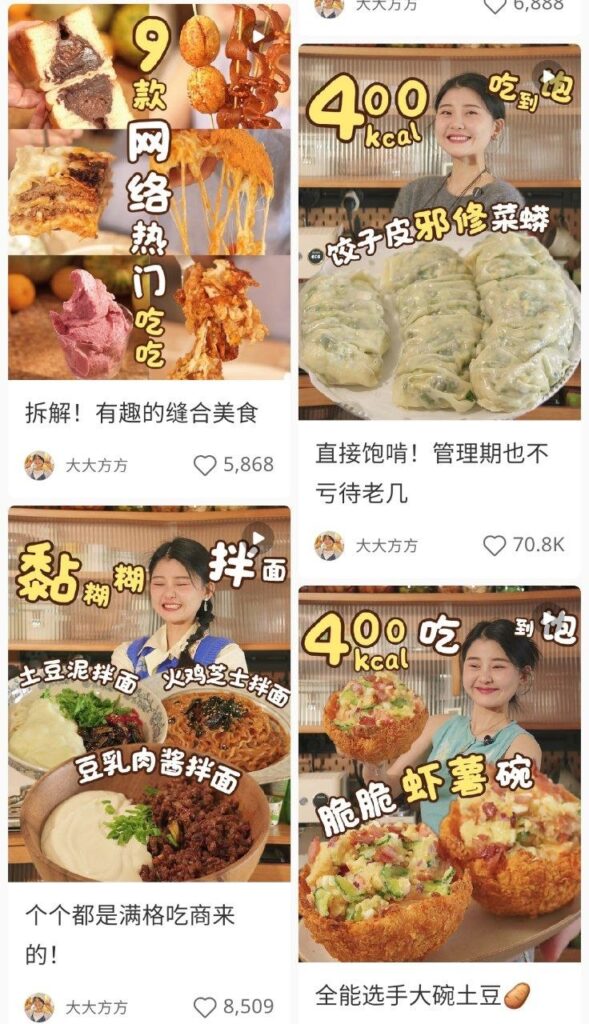
In the food and beverage sector, Douyin dominates with viral restaurant reviews and food challenge videos that spread rapidly across the network. Xiaohongshu hosts niche KOCs who share recipes and dining experiences. Meanwhile, Kuaishou is particularly effective for brands targeting lower-tier cities, as its algorithm does not exclude anyone. It is the only platform where rural and Tier 3/4 city consumers, who are increasingly interested in online shopping, can discover your products.
For wellness
For health, wellness, and supplement brands, Xiaohongshu provides a trusted environment for wellness advice, product comparisons, and ingredient analysis. WeChat fosters this by enabling storytelling through Official Accounts and Mini Programs, which help retain loyal customers over time.
For travelling
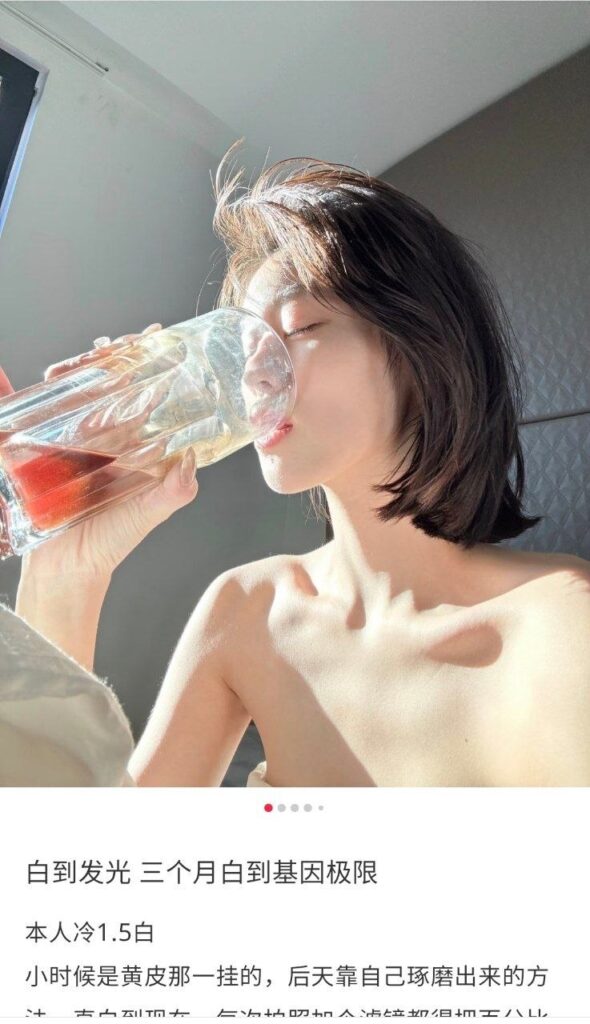
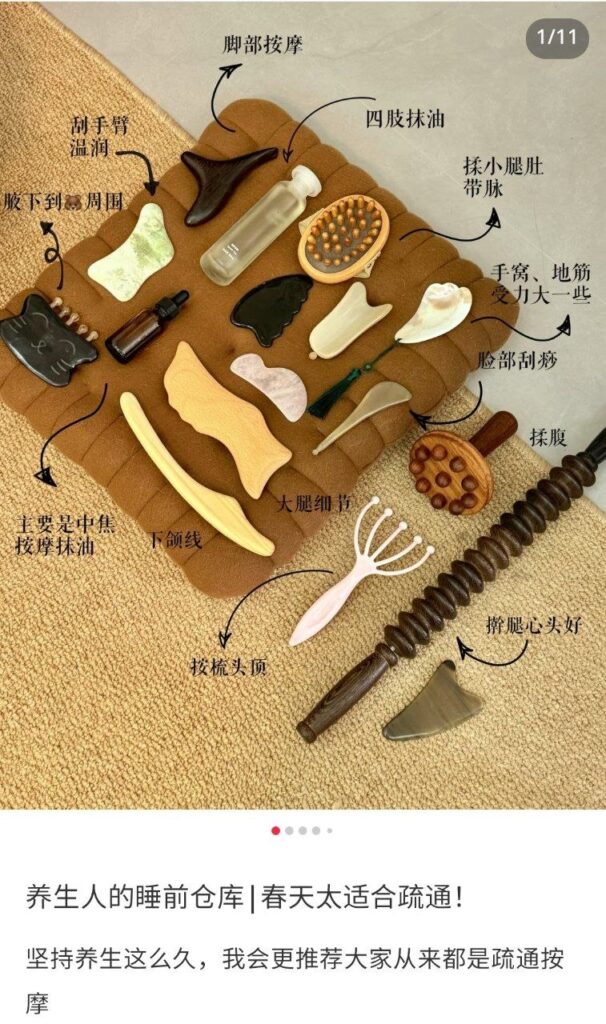
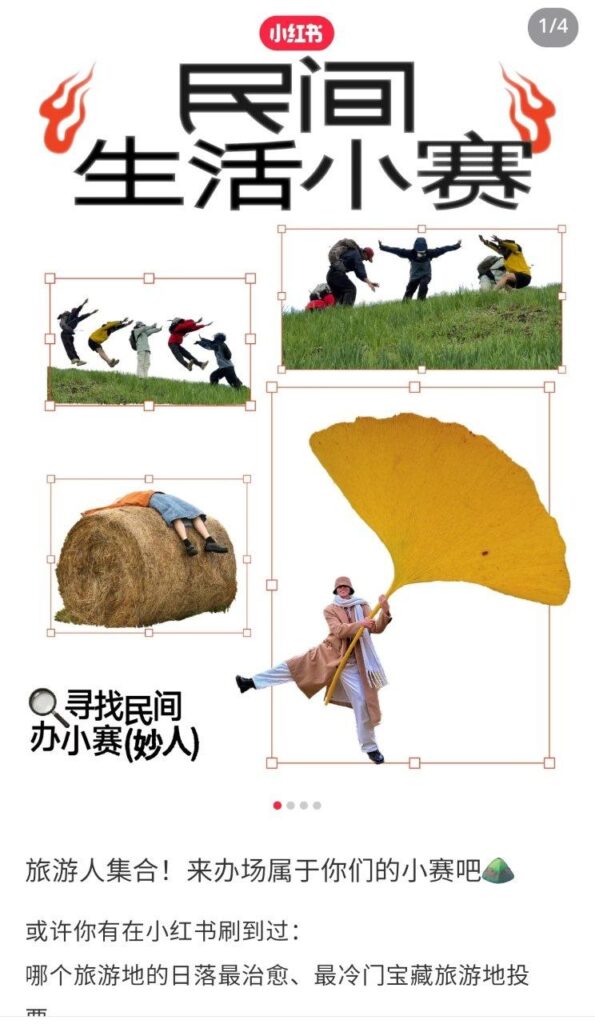
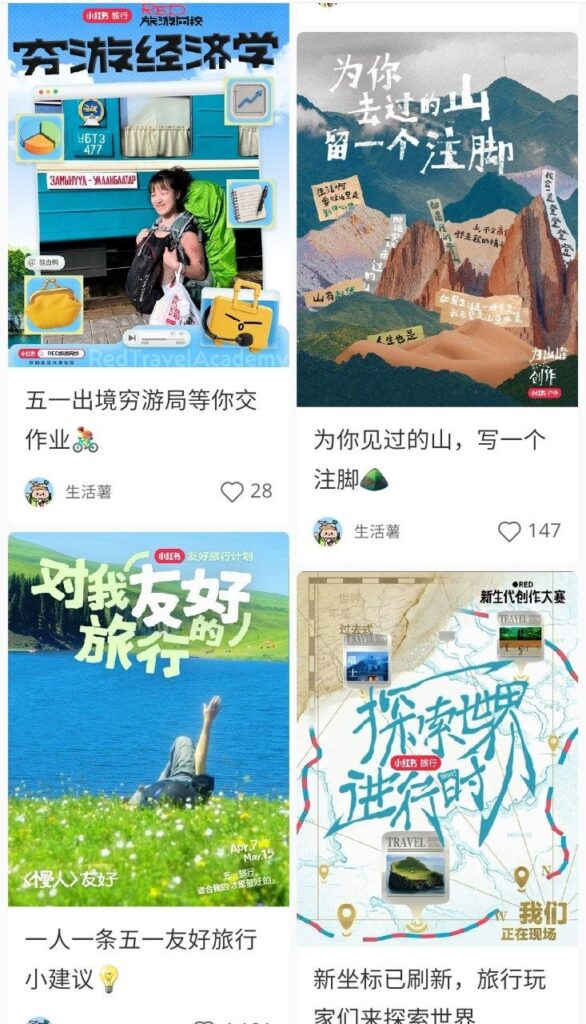
The travel, hospitality, and experiences sector benefits from Douyin’s engaging travel vlogs and livestream hotel tours. Xiaohongshu acts as a visual travel guide for millennials planning domestic or outbound trips, while Weibo boosts destination visibility through collaborations with travel KOLs and branded hashtag challenges. According to industry data, 74% of Chinese tourists choose destinations based on social media recommendations — compared to just 30% globally — making influencer presence essential in tourism marketing.
For electronics
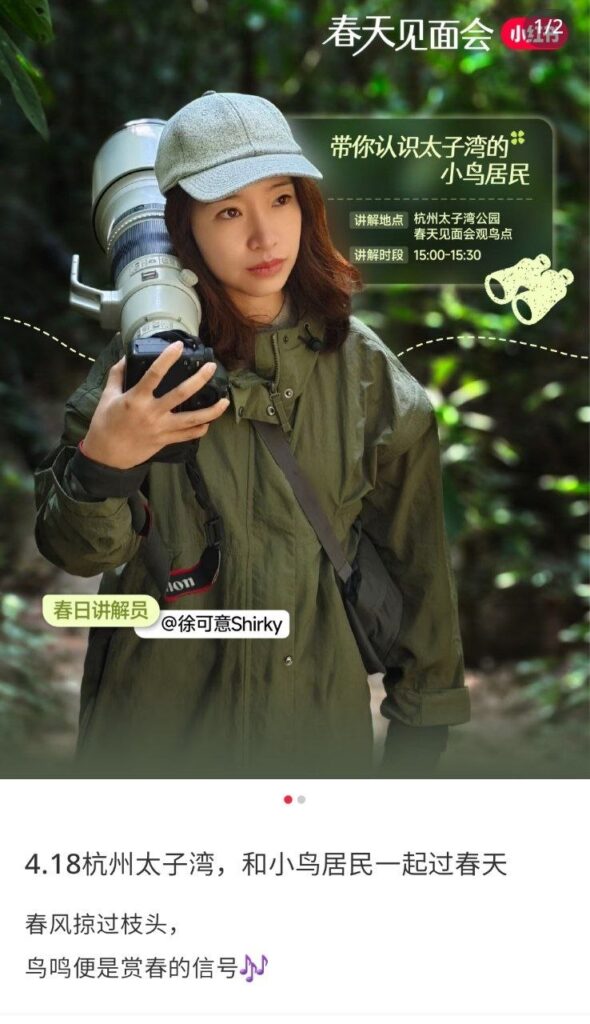
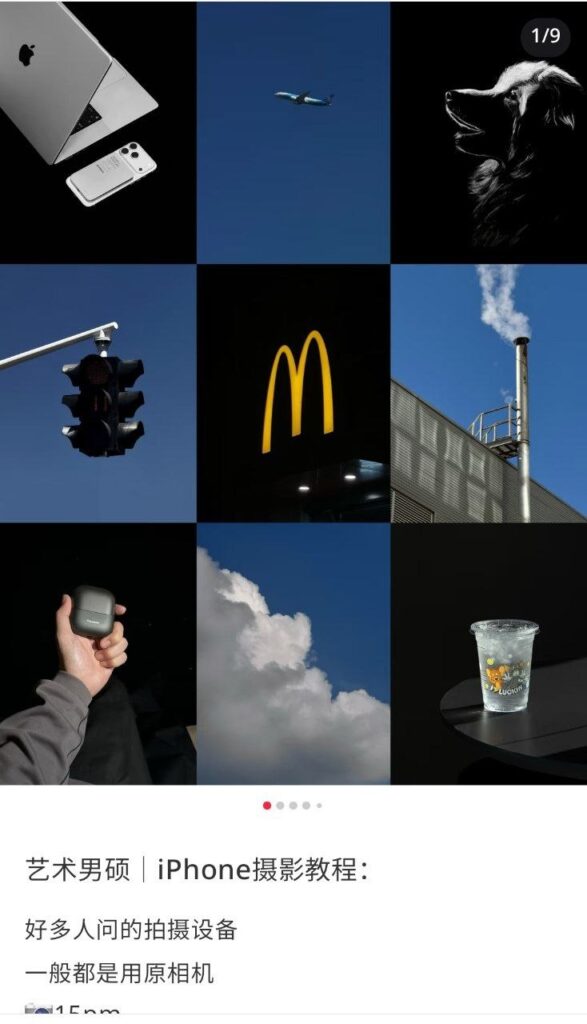
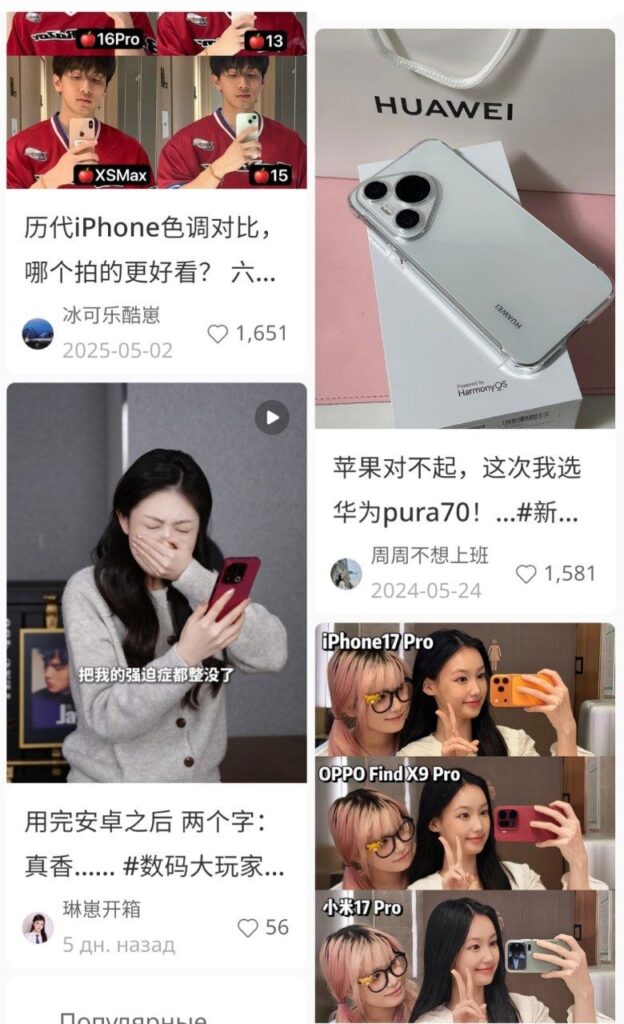
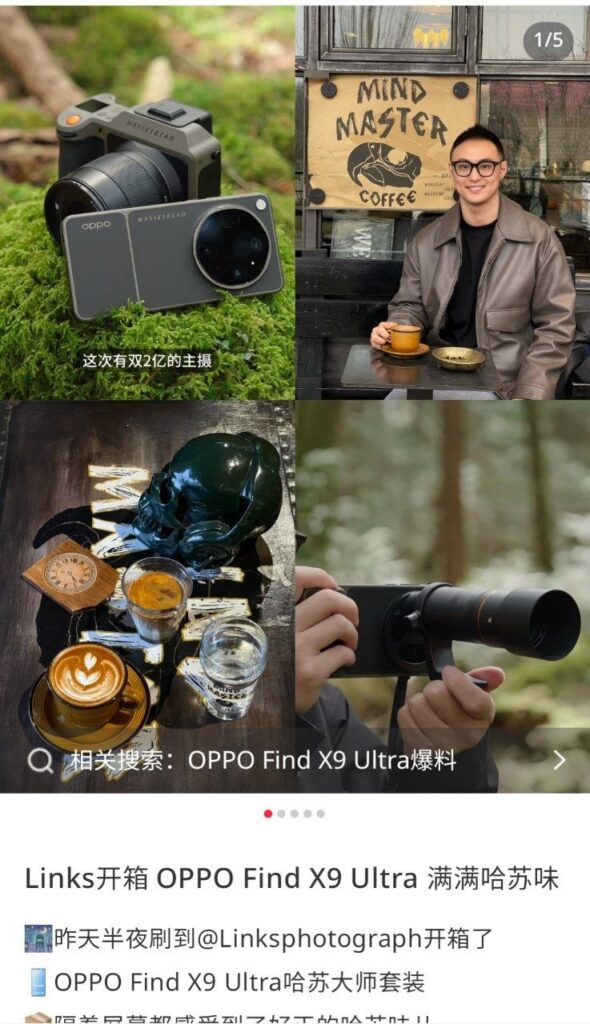
Tech and consumer electronics brands should prioritize Bilibili for long-form content such as product demos, reviews, and setup tutorials. Bilibili’s audience values depth and technical accuracy. Douyin delivers shorter, engaging tech explainers that blend entertainment with education, reaching a broader audience quickly.
Our team is ready to consult you!
How to Start an Influencer Campaign in China?
Launching an influencer campaign in China requires careful planning and a step-by-step approach. The process begins long before you reach out to any creator.
- Nano influencers (1,000 – 10,000 followers): Small reach but highly specific audiences. Excellent for keyword optimization and driving traffic to the conversion phase.
- Micro influencers (10,000 – 100,000 followers): Niche audiences with higher willingness to buy. Ideal for targeted campaigns with strong engagement.
- Medium influencers (100,000 – 500,000 followers): Strong connection with followers and vertical content. Most frequently used for targeted campaigns with high interactions.
- Macro influencers (500,000 – 7 million+ followers): Massive reach to varied audiences. Ensures wide diffusion but at a premium cost.
Platforms to Find Influencers
Several official platforms exist for finding and collaborating with influencers, though each has its own requirements and limitations.
-
Pugongying
Xiaohongshu’s official collaboration platform. Brands registered in China can send proposals directly to influencers. Requires local entity registration.
-
Weirenwu
Sina Weibo’s official influencer advertising platform, covering comedy, gastronomy, entertainment, and livestreams.
-
Xingtu
The official platform for Douyin, Xigua, and Toutiao collaborations. Provides certified KOL/KOC data and campaign management.. Collaborations tend to be more expensive due to platform commissions and agency fees.
-
Kuaishou
Essential for reaching Tier 3/4 cities and rural areas where purchasing power is growing rapidly. Kuaishou’s inclusive algorithm ensures broad visibility across all demographics.
All official collaboration platforms require a company registered in China, plus taxes and commission fees. Additionally, fake followers are common, so manual vetting is essential.
Determining the Right Number of Influencers
Brands that collaborate with multiple influencers increase online visibility, but quantity does not guarantee success. The quality of the preplanned strategy matters more than campaign breadth. A balanced mix of one macro KOL for awareness and 5–10 micro/nano KOCs for conversion often outperforms a dozen random partnerships. Mates Asia helps brands determine the optimal influencer mix based on budget and goals.
Pricing depends on follower count, industry, content format, and exclusivity.
- Nano influencers: $25 to $150 per post
- Micro influencers: $250 to $5,000 per post
- Medium influencers: $1,600 to $10,000 per post
- Macro influencers: $5,000 to $25,000 per post, often reaching €50,000+ for top-tier celebrities
Additional costs include livestreaming fees, platform commissions, content licensing, and seasonal events.
How to Evaluate Effectiveness Influencer Marketing Campaigns
Measuring return on investment in China goes far beyond likes and views. You need to track how influencer content converts into tangible business results.
-
Engagement Metrics
Start with engagement metrics — likes, comments, shares, and saves — to assess how well the content resonates with the audience and whether your message aligns with local interests.
-
Reach and Visibility
Analyze reach and visibility through impressions and follower growth; high reach on Douyin or Xiaohongshu often means improved brand recognition, especially when content is reshared or featured on trending feeds.
-
Conversion and Sales Impact
The strongest ROI indicator is conversion and sales impact. China’s influencer ecosystem makes this easier thanks to e-commerce integrations. Douyin Shops, WeChat Mini Programs, and Xiaohongshu storefronts let users buy products directly from influencer content. Tracking sales uplift through affiliate links, discount codes, or QR codes provides measurable ROI.
-
Traffic Analytics
Use WeChat backend insights, Douyin’s data dashboards, and Xiaohongshu analytics to monitor click-through rates from influencer posts to your product pages. This gives clear visibility into campaign efficiency.
Chinese influencers are essential for brands seeking to connect with local consumers. As e-commerce in China grows and consumer purchasing power rises, KOLs and KOCs have become indispensable tools for promotion and sales.
Success requires a balanced strategy: KOLs for visibility and credibility, KOCs for trust and conversion. Mates Asia provides end-to-end influencer marketing solutions — from platform selection and influencer vetting to campaign execution and ROI measurement.
If you need help deploying efficient digital marketing strategies for the Chinese market, Mates Asia is your partner for authentic brand growth.
FAQ
KOLs (Key Opinion Leaders) are professional influencers with large followings who shape public opinion and drive awareness. KOCs (Key Opinion Consumers) are everyday users who share authentic reviews within smaller circles. KOLs provide reach; KOCs provide trust.
Chinese consumers place strong trust in peer recommendations. Seventy-four percent make purchase decisions based on influencer content, compared to only 30 percent globally. Influencer content feels more authentic than traditional ads.
Foreign brands can use official platforms like Xingtu, Weirenwu, or Pugongying — but these require a China-registered company. Alternatively, Mates Asia offers direct access to a vetted database of authentic influencers, handling contracts, payments, and compliance.
Track engagement metrics, reach, click-through rates, sales conversions via codes or links, and long-term brand lift through surveys and social listening. Platforms like Douyin and Xiaohongshu provide built-in analytics for conversion tracking.
Yes, if using official platforms like Xingtu or Pugongying. However, Mates Asia can facilitate campaigns for foreign brands without requiring local incorporation, simplifying market entry.