

China is not a new market for your existing product. China is a different universe. There is no Google Play, no Facebook, no Instagram, and no Twitter. Instead, you face hundreds of Android stores, a censorship system that rejects apps for reasons you have never heard of, and payment systems that require deep local integration.
This guide is your roadmap. We will show you what works in 2026, what destroys your budget, and how to launch without losing your mind.
The Numbers That Actually Matter
According to China’s Ministry of Industry and Information Technology (MIIT), the number of mobile subscribers in China reached 1.6 billion by the end of 2020. China’s population is approximately 1.4 billion people, which means many citizens own multiple devices.
These numbers are real and impressive. But they mean nothing if you do not understand how the ecosystem actually works. Raw traffic does not equal sales. Large audiences do not guarantee downloads.
Android or iOS. The Right Choice for Your First Launch
Android dominates with 72.79 percent of the Chinese market according to StatCounter data from February 2026. At first glance, this makes Android the obvious choice. But first glances are dangerous in China.
The iOS App Store is a single store with one set of rules, one moderation process, and a familiar interface that Western developers already understand. You can learn it quickly. You can test your assumptions. You can fail fast without losing everything.
Android has more than 400 different stores. Each store has its own software development kit, its own documentation requirements, and its own moderation team. Huawei, Tencent, Xiaomi, OPPO, and VIVO each operate their own ecosystem. Navigating all of them without local experience is a recipe for disaster.
Three Licenses You Cannot Skip
Approximately 80 percent of foreign app launches die at this stage. Not because the app is bad, but because the developer did not know about the licenses.
You cannot simply upload an APK or an IPA file to Chinese stores and start generating revenue. The Chinese government requires three separate legal documents before your app is allowed to exist.
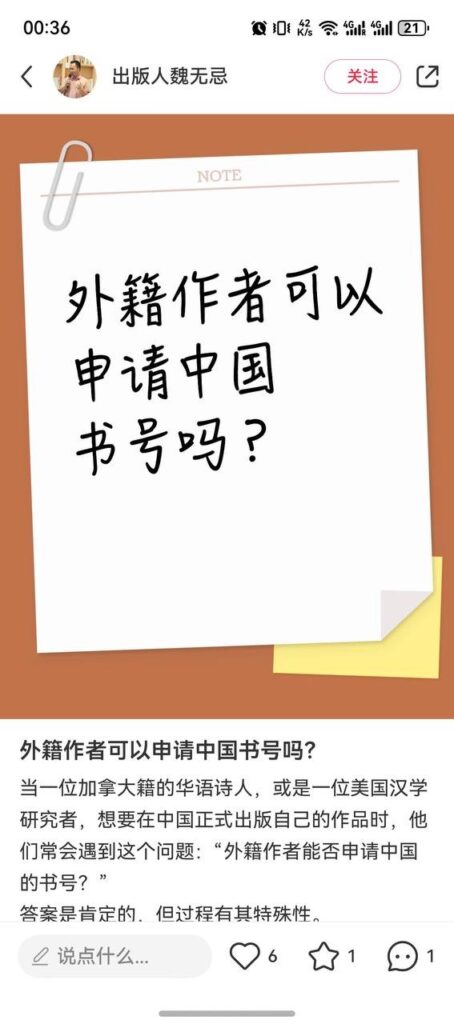
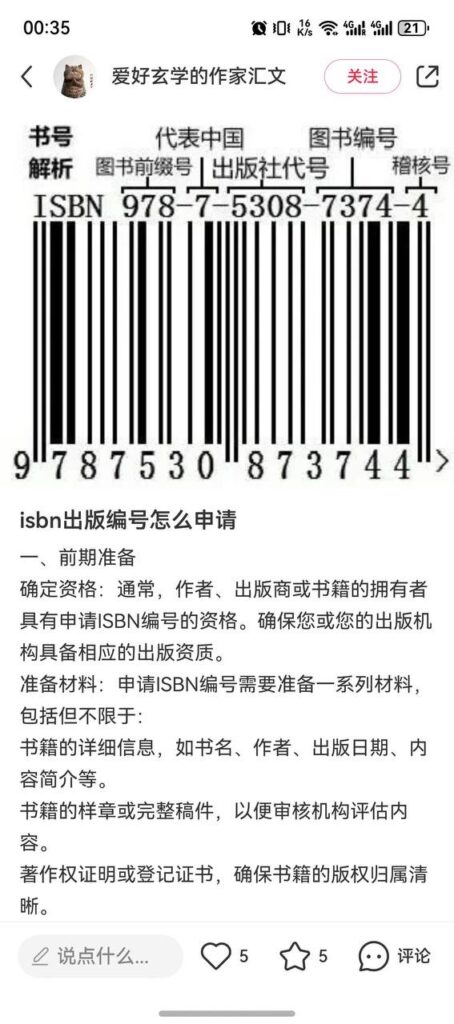
ISBN License (版号). The Main Barrier
Without an ISBN license, your game or app does not officially exist in China. No amount of marketing or influencer promotion will change this fact. You simply are not there.
The National Press and Publication Administration (NPPA) reviews every aspect of your application. They check your script, visual style, game mechanics, and even your monetization model. They look for anything that might conflict with Chinese cultural values or state regulations. They can reject you for reasons that would never occur to a Western developer.
The typical review timeline is 8 to 12 months minimum. Some projects are sent back for revision three, four, or even five times before they finally receive approval.
Common reasons for rejection include:
- content that conflicts with Chinese cultural values
- religious or historical inaccuracies
- aggressive monetization mechanics that resemble gambling
- incorrect or incomplete documentation
Copyright Certificate (软著)
This copyright certificate is mandatory before you can even apply for an ISBN license. Many foreign developers forget this step entirely, and that mistake costs them months of delay.
You need to submit your source materials, detailed descriptions of your game mechanics, and screenshots of your user interface. The process is mostly formal, but any mistake in the documentation will result in immediate rejection.
The processing time is typically 2 to 6 weeks, depending on the complexity of your application and the current workload of the certification office.
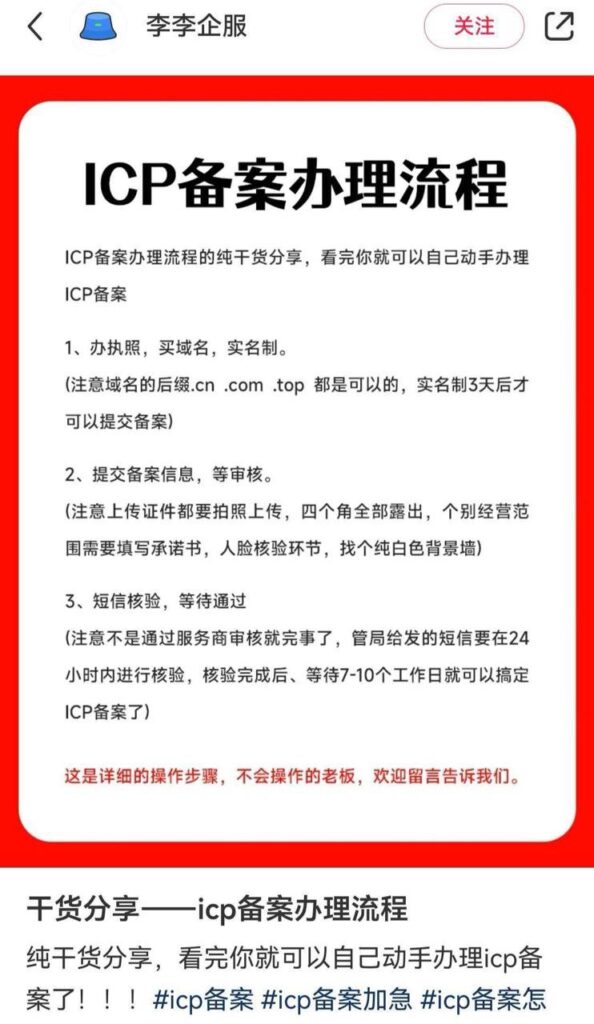
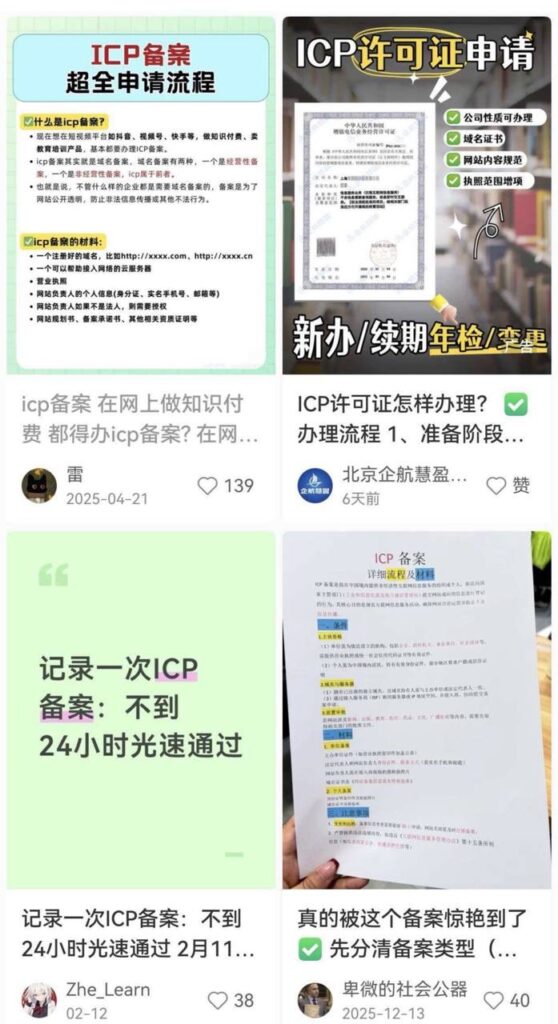
ICP License (Internet Content Provider)
This license is required for any website, landing page, API, or server that is hosted within Chinese territory. This applies to almost every modern mobile application.
The ICP license is issued exclusively to Chinese legal entities. You cannot obtain it without a registered company in China. If you do not have this license, your servers will be blocked, your content delivery network will not function, and your app will be effectively invisible to Chinese users.
The Android Store Challange
You might think that you can simply upload your APK file to a few major Android stores and call your work complete. This assumption is dangerously naive.
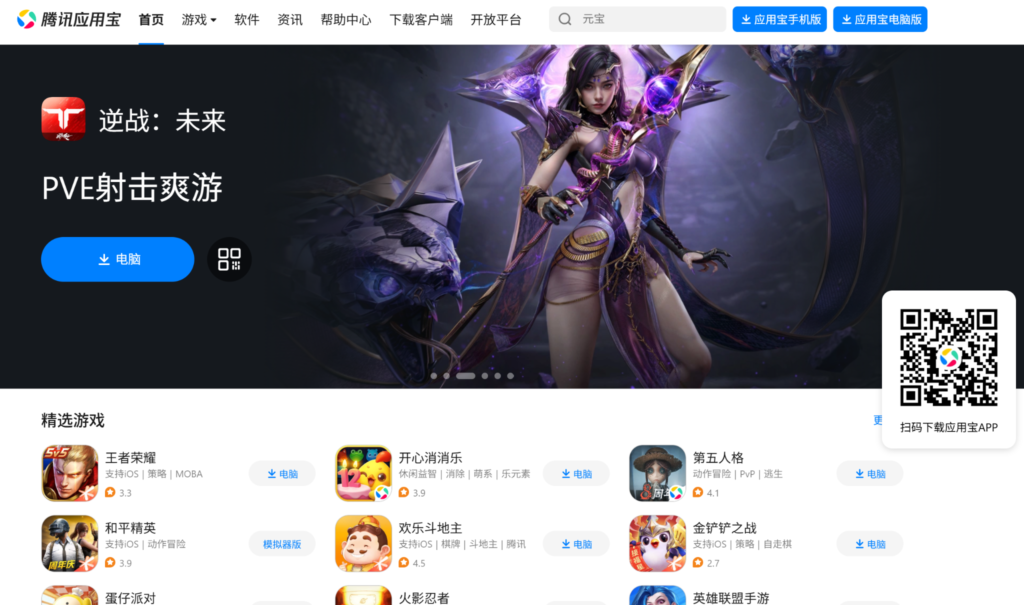
China has no Google Play whatsoever. Instead, the country has more than 400 different Android stores. Each store operates with its own rules, its own software development kits, and its own moderation processes.
The Tier 1 Stores That Cover 80 Percent of Traffic
According to the AppInChina App Store Index from November 2025, these stores collectively cover approximately 80 percent of the Android market in China.
Tencent MyApp alone has approximately 270 million monthly active users according to AppInChina data. This single store is a critical channel for any serious app launch.
The remaining 390 stores deliver the rest of the traffic. But without a strong presence in the top three stores, you will lose access to the majority of potential users.
Why One APK Does Not Work Across All Stores
Here is what foreign developers never expect when they first encounter the Chinese Android ecosystem. These surprises kill launches.
Different SDK requirements. Huawei, Tencent, Xiaomi, OPPO, and VIVO each require their own proprietary software development kit for logins, payments, analytics, and anti addiction systems. Without these SDKs, your app will fail to pass moderation or will lose access to featured placements.
Different documentation standards. Each store has its own unique forms, contracts, keyword fields, and screenshot requirements. Some stores require ISBN and ICP licenses immediately. Others accept temporary certificates during the review process.
Different moderation processes. Huawei and Xiaomi use manual human moderation that can take up to 10 business days. These moderators can reject your app for subjective reasons. OPPO and VIVO use more automated systems, but they often reject apps without providing any explanation. Tencent MyApp requires video demonstrations of your gameplay before they will approve your submission.
No unified update system. You cannot push a single update to all Android stores simultaneously. Each platform requires separate submissions, separate testing procedures, and separate approval cycles. Version management becomes a logistical nightmare.
ASO in China Is Cultural Warfare
You have translated your keywords into Chinese, and you feel proud of this achievement. But this is only about 10 percent of the actual work required for successful ASO in China.
App Store Optimization in China is fundamentally about passing the cultural and censorship filters before you even get the chance to compete for rankings against local competitors.
ASO in China Is Cultural Warfare
Direct translation from English to Chinese fails for several important reasons that most Western developers do not understand.
Popular mobile game genres in China have their own slang terms and memes. These bear no resemblance to textbook Chinese equivalents. If you use formal language instead of gamer slang, your app will appear out of touch and unappealing.
Chinese characters carry heavy emotional and cultural weight. Choosing the wrong synonym can make your app sound funny, rude, or even politically incorrect. A mistake that seems minor to a non native speaker can be devastating to your conversion rates.
Chinese players search using vocabulary from Bilibili, Douyin, and TapTap. They do not use formal written Chinese. Your keyword strategy must align with these platforms.
Our Keyword Research Pipeline
Visual Assets That Get You Rejected
Chinese store moderators reject apps for visual reasons that would never occur to a Western developer. These rejections can delay your launch by weeks.
Absolute visual taboos that will fail moderation:
- Всеblood of any color including red, green, or black depictions
- zombies, skeletons, skulls, or any form of dismemberment
- gambling references such as roulettes, slot machines, or chips
- political maps or symbols of any kind
- sexual content or hints at what the government calls non traditional values
- military equipment and realistic war scenes
Recommendation for horror or dark fantasy settings: create a clean version of your assets specifically for store listings. No blood, no bones. Focus on characters, progression systems, and social features.
What Increases CTR and Conversion
According to our testing across hundreds of apps, these factors consistently improve performance:
- bright and saturated colors that catch attention
- anime aesthetics with cute graphics
- readable character emotions that users can instantly understand
- emphasis on social and competitive mechanics (rankings, guilds, PVP)
- benefit labels on screenshots that clearly state advantages
Our Asset Checklist for Every Client
ASO Differences Across Android Stores
Each major Android store in China operates with its own ranking algorithm, its own indexing fields, and its own promotional levers. You cannot use a single ASO strategy across all platforms.
Huawei AppGallery is highly sensitive to retention metrics on day one and day seven, ratings and reviews, stability measured by crashes and application not responding errors, and HMS ecosystem integrations for logins, payments, and anti addiction systems. The store indexes your title, tags, and description. Keywords in the first 200 to 300 characters perform best.
Tencent MyApp places strong influence on social signals including reviews and mentions from KOLs and KOCs, active install volumes, and build security. The store indexes titles and tags more heavily than descriptions, though descriptions still matter for conversion.
OPPO, VIVO, and Xiaomi GetApps each have their own unique factor weights. OPPO is sensitive to install velocity and ratings over the first 7 to 14 days, as well as tags and the first paragraphs of your description. VIVO responds well to stability, low ANR rates, quick feedback on user reviews, and releases with fix logs. Xiaomi GetApps values local tags, genre collections, and participation in temporary store events.
How to Get Your First 10,000 Users
You have obtained your licenses. You have uploaded your app to the stores. You have optimized your store listings. Now comes the most important question: how do you actually get users to download your app?
Facebook and Google are either completely blocked or severely restricted in China. You cannot rely on the advertising channels that work in Western markets. You need to build your user acquisition strategy using local Chinese platforms.
KOL and KOC Marketing. Trust Over Advertising
In China, users do not trust advertising in the way that Western users might. They trust recommendations from people they follow and respect online.
KOLs, or Key Opinion Leaders, are influencers with large followings. They can drive significant install volumes if they genuinely endorse your app. KOCs, or Key Opinion Consumers, are regular users who post honest reviews and create organic word of mouth.
The platforms that work best for app promotion:
- Huya and YY for live streaming, tournaments, and real time engagement
- Bilibili for long form reviews, detailed guides, mechanics analysis, and meta discussions
- Douyin for short viral clips that capture emotional moments or exciting gameplay
- Xiaohongshu (Little Red Book) for social proof and real user reviews
Paid Advertising on Local Networks
When you need to accelerate your growth beyond organic and influencer channels, you must turn to Chinese local advertising networks.
The key platforms for paid app promotion in China:
- Tencent Ads covers the entire ecosystem of QQ, WeChat, and WeCom with billions of active users
- Bytedance Ocean Engine powers advertising on Douyin and its internal video ad network
- AppFlood helps optimize traffic and monetize impressions
- Adwo offers CPI, CPC, CPM, and PPD pricing models for developers and advertisers


Our recommended tactic for new apps: start with CPI campaigns to boost your install volumes and rise quickly in the store charts. This gives you initial velocity that can attract organic users. However, do not rely on this tactic for the long term. Some users acquired through paid campaigns will churn within the first week.
Social Media. WeChat and Weibo Are Mandatory
You cannot succeed in China without a strong presence on WeChat and Weibo. These platforms are where Chinese users discover, discuss, and decide to download new apps.
WeChat has 1.41 billion monthly active users according to Tencent’s 2025 data. Users spend an average of 79 minutes per day inside the app. WeChat Pay has 935 million users. WeChat mini programs have 945 to 954 million active users, which means more than 90 percent of WeChat users engage with mini programs regularly.
Weibo remains a key platform for announcements, contests, viral posts, and customer engagement, even though its user base is smaller than WeChat’s.
Do not ignore the forums. Baidu Tieba and Zhihu are where Chinese users go to read detailed discussions and honest opinions before they decide whether to download an app. If you are not present on these platforms, you are missing a critical part of the user decision making process.
Localization Is More Than Translation
Chinese users have different habits, different expectations, and different emotional triggers compared to Western users. Your app must account for these differences.
What Chinese users expect from mobile apps:
- dense interfaces with quick access to everything (they are used to all in one platforms like WeChat)
- social and competitive features such as rankings, guilds, leaderboards, and PVP
- frequent updates every two to three weeks (the Chinese market moves faster than any other)
- special events during Chinese New Year and other local holidays
The Uber versus Didi lesson is worth remembering. Didi won the Chinese ride hailing market not because they had more money, but because they added features that mattered to local users. The ability to choose a specific driver, rate the car quality and interior, and evaluate driving style were small details that Uber ignored and Didi embraced.
FAQ
No, you cannot launch without a Chinese legal entity. The ISBN license, ICP license, and WeChat Pay integration all require local registration. However, you can work with a certified agency like MATES ASIA that provides access through port accounts, which allow you to launch without opening your own office in China.
The typical timeline is 8 to 12 months minimum. Some apps are rejected three, four, or even five times before they finally receive approval. You should plan for a long and uncertain timeline.
Start with Huawei AppGallery and Tencent MyApp. These two stores alone cover approximately 41 percent of the Android market according to the latest data. Once you have established a presence there, expand to VIVO, OPPO, and Xiaomi.
Yes, you need separate builds for each major store. Huawei, Tencent, Xiaomi, OPPO, and VIVO each require their own proprietary SDK integrations. You cannot upload one APK file to all stores and expect it to pass moderation.
ASO in China is significantly more expensive and time consuming than in Western markets. You need to manage separate strategies for each store, navigate cultural and censorship filters, and continuously test and optimize your keywords. Contact us for a custom quote based on your specific app and target genres.
No, you cannot rely on Facebook or Google for app promotion in China. Facebook is completely blocked. Google Ads is severely restricted. You must use local advertising networks such as Tencent Ads and Ocean Engine, which require separate accounts and localized creative assets.