

The Chinese market offers massive opportunities for brands, but you don’t necessarily need a celebrity budget to break in. The secret is working with micro- and nano-influencers. Locally, they are known as KOCs—Key Opinion Consumers. These aren’t polished public experts. Their whole appeal is that they look and sound like real people. Their followers treat them like friends, not advertisers.
We usually bring them in when a brand needs to:
- Stretch a limited budget without killing the reach.
- Build actual trust and engagement.
- Get honest, relatable reviews.
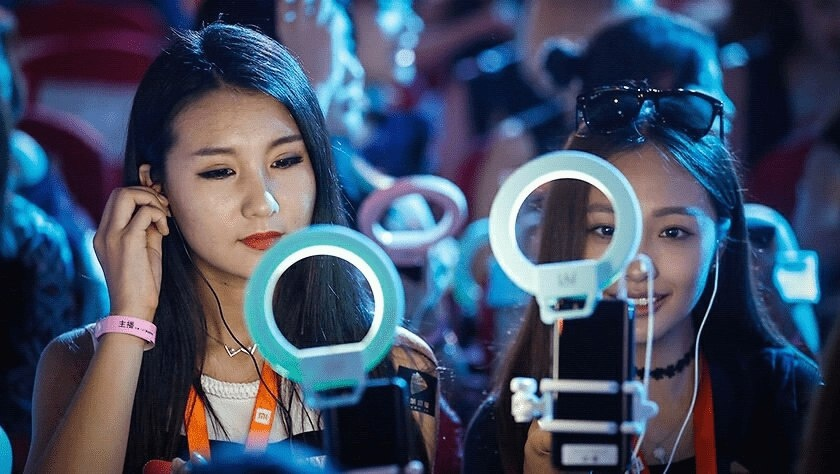
Who are micro- and nano-influencers?
Let’s talk numbers based on our agency’s experience. When we say micro-influencers, we mean creators with up to 30,000 followers who usually own a very specific niche. Nano-influencers, or KOCs, have under 10,000 followers. They offer maximum authenticity and are ideal for targeted reach and direct conversions because their audience trusts them completely.
How do KOCs differ from KOLs?
People mix these up all the time, but the difference in strategy is huge. A KOL (Key Opinion Leader) is essentially a public expert or a celebrity. You buy them for massive reach. A KOC (Key Opinion Consumer) is just a regular user talking about what they bought. One relies on status, the other relies on trust.
What key advantages of working with micro- and nano-influencers do we highlight?
First, the engagement is incredibly high. The view counts might look small, but the ratio of likes, comments, and reposts absolutely crushes what big KOLs get. Second, it’s highly cost-efficient. Because they charge less, you can easily run campaigns with dozens of them simultaneously. Finally, Gen Z will scroll right past a heavily edited studio shot. They want the messy, honest truth, which KOCs deliver naturally.
Platforms for working with influencers
Picking the right app makes or breaks the campaign, and you have to go local. Every platform has its own weird rules and vibe. Take Xiaohongshu (Little Red Book), for example. With an 88% female audience, it is the ultimate trust engine in China right now, perfect for detailed, text-heavy reviews and product seeding. Douyin (Chinese TikTok), on the other hand, is massive, boasting over 746 million active users who come for fast video and livestreams. Interestingly, 63% of the big creators there are actually at the micro or nano level.
You also can’t ignore WeChat’s billion-plus users. It’s the main app in China and great for product placement in private circles and pushing traffic to mini-programs. Lastly, Weibo is mostly used for open seeding campaigns aimed at Tier-1 city millennials.
How to find and choose influencers
Once you know your buyer, you have to dig for the right accounts. If this is your first time doing product seeding, check if their age, city, and niche hobbies actually match your brand. Look at the engagement level to ensure you’re seeing natural numbers, not bot activity. You also need to do a vibe check to make sure their aesthetic matches your brand’s DNA.
Spotting fake followers is pretty easy if you just read the comments. If you see endless generic emojis or template phrases, run. Do the math: a creator with 30,000 followers getting 1,500 likes makes perfect sense. Half a million followers and 50 likes means they bought their audience.
Collaboration formats — how to get maximum engagement?
You have a few ways to play this. Product seeding is when you ship them free stuff; if they like it, they post it. It’s high ROI and low cost, but if your product is bad, they will tell everyone. Paid collaboration usually costs around $50–$150 a post. You pay, and they guarantee a post on time, though spending two weeks haggling over prices with thirty people can take time. Then there’s livestreaming, which is great for closing sales, but honestly, skip this until you’ve done basic seeding first.
Tip: Do not micromanage a KOC. Give them the key messages and mandatory elements, but back off. Let them script it, otherwise they sound like a corporate robot and their audience will notice.

Yes, a lot of this work is barter based, but plan budget for the hidden stuff. Shipping costs money. If you send a crumpled cardboard box, nobody is filming an unboxing, so invest in creative packaging, gift sets, or travel-size extras to increase the value. Plus, you will eventually find a nano-influencer so perfect for your brand that you’ll just want to pay them to guarantee the post.
Principles of content strategy and influencer selection
Spamming 100 bloggers with identical boxes isn’t a strategy. They need to actually use the thing, because a personal story works much better than a dry list of features. Keep it real by letting the video look like their other videos—any artificiality repels the audience.
You also need to vet every single person. Do their followers actually match our target consumer? Have they reviewed similar stuff before? Sending a premium foundation to a beauty blog works organically, but sending it to an account that reviews local food is just going to cause dissonance. For the best impact, we use a hybrid approach: grab a couple of macro-influencers for broad reach and brand awareness, then flood the feed with KOCs to build enough trust for an actual conversion.
Measuring effectiveness
A million views means nothing if nobody clicks the link. Without metrics, it’s easy to misjudge the results. Here is what the platforms actually let you track:
On Xiaohongshu, pay attention to views, saves, comments, and shares, along with audience demographics and traffic sources. If you’re on Douyin with a business account, the E-commerce Data Dashboard shows audience retention, link CTRs, and direct shop conversions. WeChat lets you track official account reach, link clicks, and actual sales data if you plugged in a Mini Program. Weibo’s Data Center covers reach, post-campaign follower spikes, and external link clicks.
To win, spread your budget across 100 nano-influencers instead of blowing it all on one celebrity for a wider reach. Develop long-term partnerships with the KOCs that convert. Adapt your content to Chinese cultural specifics, and make sure every post uses direct links and shopping features to drive e-commerce.
Working with micro- and nano-influencers in China is a strategy based purely on authenticity. Success depends on choosing the right platforms, relevant KOCs, and integrating them into the marketing funnel.
FAQ
A KOL is a public figure or expert you rent for broad reach. A KOC is a savvy consumer sharing a personal story. One has status, the other has actual trust.
It depends on your goals. You can start with basic seeding and just pay for the product and logistics. If you want guaranteed paid posts from 10-20 nano-influencers, $500 is a safe starting point to get measurable results and a solid first wave of reviews.
If you’re selling cosmetics, clothes, lifestyle items, or FMCG, go with Xiaohongshu—it’s the center for user reviews. If you’re doing something more mass-market or trying to run viral livestreaming sales, choose Douyin.
Read the comments manually to spot spam. Check the math: 30k followers and 1-2k likes looks completely natural, whereas 500k followers and 50 likes is a signal of low engagement or fake followers. You can also use paid analytics platforms that scrape their real metrics.
Engagement, always. For campaigns aimed at conversions, a high Engagement Rate (usually above 3-5% for micro-influencers) indicates a loyal audience that actually listens to the creator.
No, and that’s a key mistake. Strict control will ruin the quality of the video and make it look unlike the blogger’s usual style. Provide a clear brief with key messages and mandatory elements, but leave the presentation style to them. They know exactly how to talk to their audience.