

For many newcomers to Chinese Digital the difference between Youtube and Bilibili is not obvious. At first glance, the comparison seems logical. Both are massive video-sharing platforms where users go to watch everything from music videos and vlogs to educational content and entertainment. However, there are obviously some differences. While YouTube is a global giant with a universal approach, Bilibili has shaped a unique niche by building a highly engaged, community-driven ecosystem centered around China’s Gen Z and Millennials.
Calling Bilibili the «Chinese YouTube alternative» oversimplifies its identity. It is a hybrid platform that combines the video-on-demand features of YouTube with the real-time interaction of Twitch, the community vibe of Reddit, and a deep-rooted subculture of anime, comics, and games (ACG). This article will delve into the major differences between the two platforms, explore Bilibili’s enduring popularity in China, and provide a roadmap for brands looking to harness the power of «Website B.»
What is Bilibili (哔哩哔哩)?
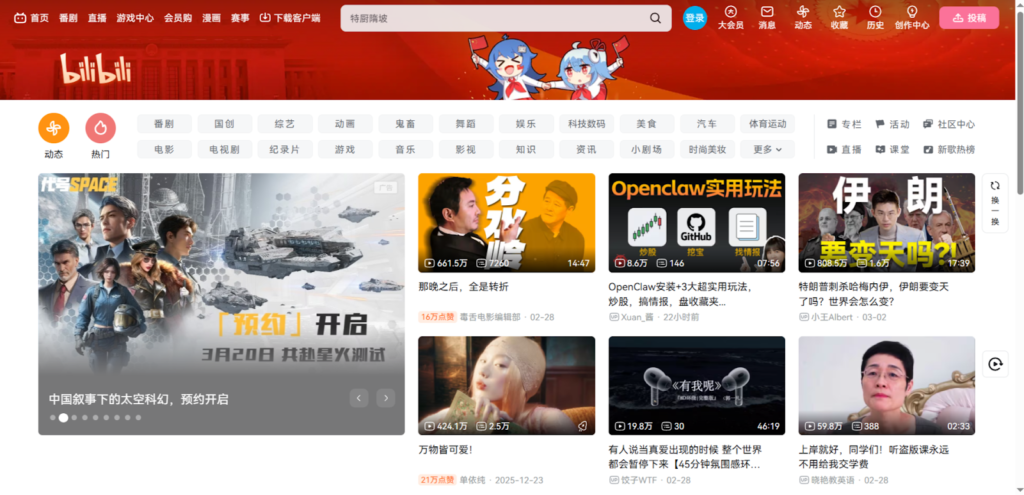
Bilibili is one of the top Chinese video platforms primarily targeting Gen Z users. Since its 2009 launch as a niche site for anime and ACG fans, it has grown into a diverse ecosystem that blends video-on-demand, live streaming, gaming, and social community features.
Is Bilibili Like YouTube?
Both platforms host user-generated content (UGC), professionally generated content (PGC), and licensed media. However, in terms of form and feeling, they are vastly different. YouTube is a utility — a global library you search for when you need an answer or want to be entertained. Bilibili, on the other hand, is a community hub. You do not just go to Bilibili to watch a video; you go there to be with other people.
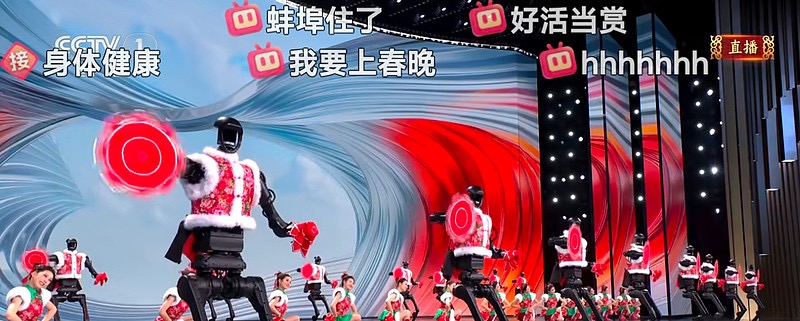
This distinction is best illustrated by the «bullet screen» (弹幕, dànmù) — a signature feature where user comments fly across the screen in real-time. This creates a shared viewing experience, making you feel like you are watching in a packed cinema rather than alone on your couch. This feature changes passive content consumption into an interactive ritual. For Chinese people with a high value of collectivistic culture, this real-time interaction is important. While it could seem as a distraction for us, Chinese would be bored watching content without this feature.
Is Bilibili still popular in China?
Not only is it popular, but it is also more influential, particularly among the country’s young generations. As of early 2026, Bilibili boasts 117 million daily active users (DAUs) and 376 million monthly active users (MAUs) . The average user spends a staggering 112 minutes per day on the platform, a figure that most social media platforms can only dream of.
Its influence has grown so much that it has become a cultural trendsetter. In a landmark moment for digital culture, Bilibili served as the exclusive bullet screen video platform for the 2026 CCTV Spring Festival Gala. This partnership allowed a new generation to interact with China’s most-watched television event in real-time, blending tradition with modern digital interaction. It has also become a hub for cutting-edge trends, with 2026 being dubbed «AI春晚元年» (AI Spring Festival Gala Year) on the platform, featuring content largely generated by artificial intelligence.
Bilibili vs YouTube: 7 Major Differences You Should Know
Understanding the nuances between these platforms is crucial for anyone looking to create content or market on Bilibili. Here are the seven fundamental differences.
1. Market Size and User Base
| YouTube | Bilibili |
|---|---|
| As a global platform operating in over 100 countries and supporting 80+ languages, YouTube’s scale is immense. Its user base is incredibly diverse, spanning all ages, demographics, and geographies. This is its greatest strength but also its biggest challenge for community cohesion. | Bilibili’s strength lies in its focus. Its user base is remarkably homogenous in age and mindset. Approximately 80% of its users are between the ages of 18 and 35, with the average user age being just 26 years old . This is a generation that grew up online, values authenticity, and is driven by interest rather than just passive entertainment. They seek community and belonging. While its user count is smaller than YouTube’s, its concentration of young, affluent, and engaged Chinese consumers is unparalleled. |
2. Local Competition
| YouTube | Bilibili |
|---|---|
| Globally, YouTube’s main competitors are other tech giants like TikTok and Netflix. Its dominance makes it the default video platform in most markets. | The battle for screen time in China is fierce. Bilibili operates in a complex environment dominated by giants like Tencent Video and iQiyi (long-form drama and variety shows) and short-form platforms like Douyin (the Chinese version of TikTok) and Kuaishou. Bilibili has successfully carved out the «middle ground» of high-quality, mid-length content (5-30 minutes). Now it is among five largest long-video platforms in China . Its differentiator is its community; it is not just a streaming service, it is a social experience. |
3. Niche Focus
| YouTube | Bilibili |
|---|---|
| YouTube’s content is quite diverse. From astrophysics lectures to unboxing videos, everything has a place. This breadth ensures massive reach but can dilute a sense of shared identity. | While Bilibili has expanded far beyond its ACG roots, its identity is still shaped by this heritage. It is organized around over 7,000 interest circles (兴趣圈层) , from niche hobbies like restoring vintage electronics to deep dives into ancient Chinese history. This focus attracts users who are intensely passionate and knowledgeable. |
4. Community Building and User Engagement
| YouTube | Bilibili |
|---|---|
| Engagement on YouTube is largely asynchronous and transactional — users like, comment, and subscribe, but these actions happen after the video ends or in a separate section. The relationship is primarily between the creator and the viewer. | Engagement on Bilibili is synchronous and communal, thanks to the bullet screen. This creates a powerful feedback loop where viewers feel like they are participating in an event. This sense of belonging leads to the user’s stickiness. Users do not just «watch» Bilibili; they become part of Bilibili community. |
5. Content Quality
| YouTube | Bilibili |
|---|---|
| Content on YouTube tends to score higher. This advantage stems largely from its creator base, which is predominantly composed of hospitals, non-profit organizations, and professional institutions (66.7%) that produce videos in a television-style or documentary format. As a result, YouTube content often sets a higher baseline standard for production value and informational authority, though research indicates that audience engagement metrics do not necessarily correlate with actual content quality. | Content on Bilibili relies more heavily on individual creators, including self-media operators and medical professionals, with a higher proportion of non-professionals (55.2%) producing videos compared to YouTube. The platform features a distinctive mix of single-speaker narratives and animated explainers, often incorporating interactive elements like real-time comments that transform viewing into a social experience. While Bilibili’s user-generated content may score lower on traditional quality indices, studies show that videos produced by verified professionals on the platform demonstrate information quality comparable to institutional content. |
6. Search and Discovery Algorithms
| YouTube | Bilibili |
|---|---|
| YouTube’s discovery is heavily driven by its powerful recommendation algorithm, which aims to maximize watch time by serving users an endless stream of related content. | While Bilibili uses algorithms, discovery is still heavily influenced by community and curated feeds. Users often find content by browsing specific interest circles or relying on recommendations from trusted creator’s community (UP主的社群). Search is becoming increasingly important, especially for consumer decisions. Bilibili is now opening up more search traffic to advertisers, offering a transparent way to capture user intention. |
7. Live Streaming Experience
| YouTube | Bilibili |
|---|---|
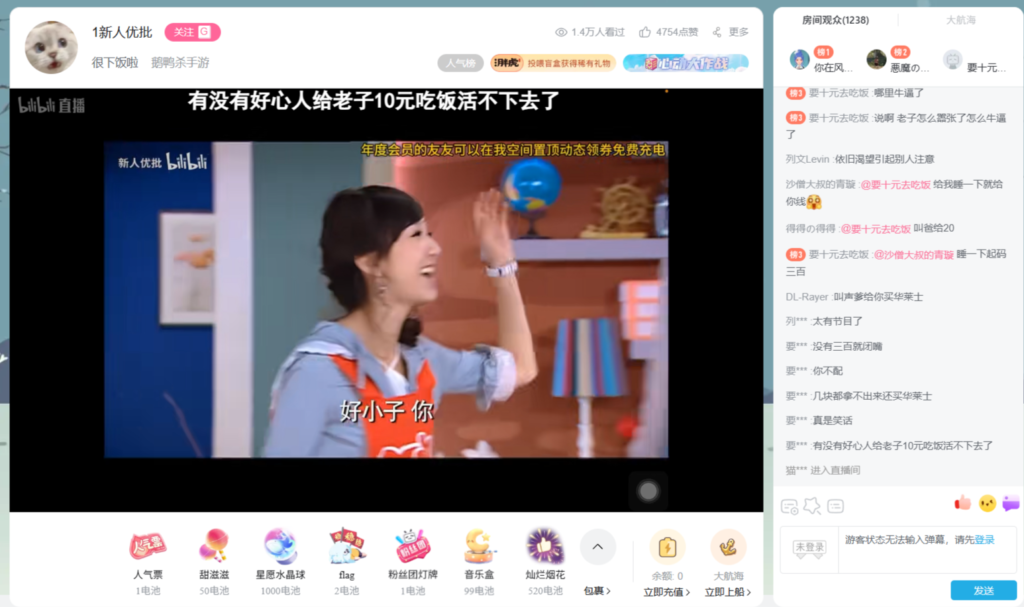
| Live streaming is a significant feature on YouTube, but it exists alongside its vast library of video-on-demand content. It is often an extension of a creator’s channel. | Live streaming is integral to the Bilibili experience and a primary driver of its community and economy. It is one of the most effective ways for creators to interact with their fans in real-time. For brands, launching live-streaming campaigns with Key Opinion Leaders (KOLs) is a top strategy for driving engagement and sales. |
How To Create an Effective Bilibili Marketing Strategy
For brands, Bilibili is not a place for interruptive advertising; it is a place for earning a place in the community. Over 87% of users say they will buy a product because it integrates well into their interest circle.
Key Opinion Leaders and Live-Streaming Campaigns
Collaborating with UP主 (bloggers on Bilibili) is the most effective way to build credibility. However, this must be done authentically. Bilibili users are savvy and can easily spot inauthentic endorsements. The best collaborations allow the creator to integrate the product naturally into their content style. For example, a tech UP主 might do a deep, honest review, or a lifestyle vlogger might show how a product fits into their daily routine. Live streaming amplifies this, allowing for real-time Q&A and building trust.
Finding the bloggers who can achieve this natural integration, and whose audience perfectly matches your brand’s target interest circle, is one of the biggest challenges for foreign brands. This is where having a partner with an extensive network is key. Mates Asia maintains a vast database of Chinese KOLs, ranging from micro-influencers to those with millions of followers. We can identify and manage blogger campaigns in various formats.
Launch Targeted Advertising Campaigns
Bilibili is rapidly building out its advertising tools to make campaigns more effective, moving from simple brand awareness to driving concrete business results.
AI-Powered Marketing Tools
Bilibili is heavily investing in AI to make marketing more effective. The platform has launched a one-stop AI marketing strategy center called «哔哩必达». This tool helps brands with everything from pre-campaign insights and audience targeting to optimizing bidding strategies and measuring post-campaign results. The goal is to move from «open-loop» strategies (driving users to external sites like Taobao) to a «closed-loop» system where transactions can be completed within Bilibili itself, making the path from discovery to purchase much smoother.
Types of Bilibili Ads You Can Launch
Each of these ad formats requires an individual strategy, from creative design that resonates with Bilibili’s Gen Z users to performance tracking. Navigating this landscape alone can be overwhelming. A full-service agency Mates Asia can take this burden off your shoulders. We offer end-to-end campaign management across all these formats of promotions. We possess a deep understanding of China’s cultural and legal specifics and drive transparent, KPI-compliant results.
-
Display Ads:
Traditional banners and rich media ads on the homepage and within channels, good for broad reach.
-
In-Feed Native Ads:
Sponsored content from KOLs or brands that appear in the recommendation feed, labeled as promoted.
-
Pre-roll/Post-roll Ads:
While Bilibili has long resisted pre-roll ads to protect user experience, it is exploring more ads on the playback page, likely in non-intrusive formats.
-
Search Ads:
A newly emphasized area. Brands can bid on keywords relevant to their products, appearing when users search for reviews, tutorials, or inspiration.
-
Take Off Promotion:
A tool that allows brands to boost the reach of high-quality organic content from bloggers, turning a great video into a viral hit by showing it to a wider, targeted audience.
Types of Accounts You Can Open on Bilibili
Understanding the different account types is the first step to establishing a presence.
-
Official Account for Chinese Influencers
Designed for individual content creators (UP主) who are already influential. This account type often comes with additional features and support to help them grow their community and monetize their content.
-
Official Account for Businesses
This is the primary account type for brands. An official business account signals to users that the brand is serious and committed to the community. It allows for more advanced marketing tools, advertising capabilities, and data analysis. It is the foundation for building a long-term brand presence.
-
Individual Account
The basic account for regular users. They can watch videos, post danmu, follow creators, and upload their own content. It is the entry point for anyone joining the community.
How to set up a brand account on Bilibili
FAQ
Anyone looking to build a lasting brand in China cannot afford to ignore Bilibili. Its user base represents the most coveted demographic: young, educated, urban, and with increasing purchasing power. They are the trendsetters and culture creators who will define the market for decades to come. They do not respond to traditional hard-sell tactics, they respond to authenticity, community, and shared values.
Because it’s home to China’s most valuable consumers: over 117 million daily active users, with 80% aged 18–35 and an average age of 26. These users spend nearly two hours daily on the platform and are 87% more likely to buy a product that fits their specific interest circle. They don’t respond to hard-sell ads, but they trust authentic collaborations with their favorite KOLs.
Brands can launch five main types of ads on Bilibili: Display Ads, for example, banners on homepage and channels; In-Feed Native Ads as labeled sponsored content; Pre-roll/Post-roll Ads — non-intrusive formats on the playback page; Search Ads for bidding on keywords for reviews or tutorials; «Take Off» Promotion for boosting organic content from creators to reach wider audiences.
Setting up a brand account requires navigating complex Chinese regulations, including real-name verification for the admin with Chinese ID or passport and enterprise certification with documents like Business License and authorization letters. The entire process involves documentation in Chinese and strict compliance steps.