

The Baidu Ecosystem: What It Is and Why It Matters for SEO
Baidu is China’s dominant and one of the world’s most-used search engines, holding over 70% of the search market share with over 600 million monthly active users at home. Unlike Google, Baidu functions as a comprehensive digital ecosystem encompassing Baidu Baike (an encyclopedia rivaling Wikipedia), Zhidao (a Q&A platform similar to Quora), Tieba (community forums), and Baijiahao (a content publishing platform). For businesses targeting Chinese consumers, Baidu represents the primary gateway to visibility, as Google and other Western search engines remain blocked by the Great Firewall.
Core Differences: How Baidu’s Algorithm and Ranking Factors Work
Baidu’s algorithm operates under a fundamentally different paradigm than Google’s, shaped by China’s unique internet landscape. While both use crawlers—Baidu deploys the «Baidu Spider»—and AI like its ERNIE system, several key factors set Baidu search apart. First, keyword optimization is paramount. Unlike Google’s semantic approach, Baidu rewards exact-match, keyword-rich titles with a density near 1%, a level Google would penalize as over-optimization. Second, page speed is critical: via its «Baidu Lightning» algorithm, pages loading within two seconds on mobile are boosted, while slower pages are penalized. Third, Baidu prioritizes localization above all, with over 83% of its top-ranking pages using native Chinese (including metadata and alt text), which demands human expertise rather than machine translation.
Baidu’s Trust System and Site Quality Guidelines
Baidu employs a sophisticated trust-ranking system assessing site credibility through principles analogous to Google’s E-E-A-T framework, though adapted to China’s specific digital environment and cultural context.
-
Experience
As per the “Baidu Lightning» algorithm, fast, smooth, and engaging user experience is therefore non-negotiable for ranking well on Baidu.
-
Expertise
Demonstrating expertise requires high-quality, original content that is preferably backed by proper, professional certification relevant in the Mainland.
-
Authority
Baidu prioritizes authority markers visible within the domestic ecosystem, including citations from Chinese academic journals, mentions in domestic news outlets like Sina, Sohu, or 36kr, and appearances in Baidu Baike entries.
-
Trust
Trust is the absolute foundation of this platform and is established by meeting strict requirements, both of its users and the legal system of China.
Key Baidu Ranking Factors:
- Low Bounce Rate: Keeping users engaged on the page.
- Clean HTML: Avoiding heavy, client-side JavaScript rendering.
- High CTR: Maximizing click-through rates in search results.
- Session Duration: Encouraging deep pageview depth.
Technical SEO Requirements and Webmaster Setup
Technical optimization for Baidu requires addressing platform-specific constraints that differ markedly from other search engines. To fully promote a website on Baidu, it must be hosted in Mainland China, ideally use a .cn domain, and possess a registered ICP license. Obtaining an ICP requires a Chinese legal entity or local representative, verification on the MIIT website, and renting a Chinese IP address.
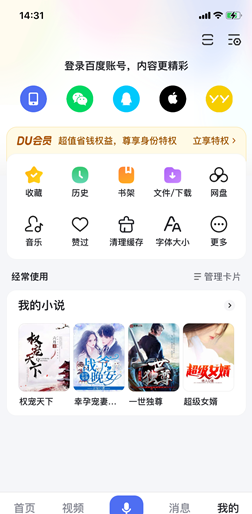
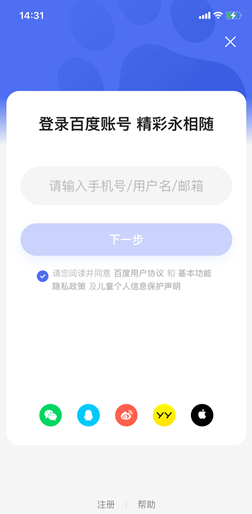

Registering an Account with the Baidu Search Engine
Once hosted, setting up Baidu Webmaster Tools is essential for indexing management, crawl error monitoring, and utilizing proprietary structured data markup. Accessing this ecosystem—including Keyword Planner, Baidu Analytics, Baidu Index, and competitor gap tools like 5118—requires a Mainland Chinese phone number. To submit your site, create an account at passport.baidu.com, navigate to ziyuan.baidu.com to add your full HTTP/HTTPS URL, and manually submit sitemaps through the link submission section.
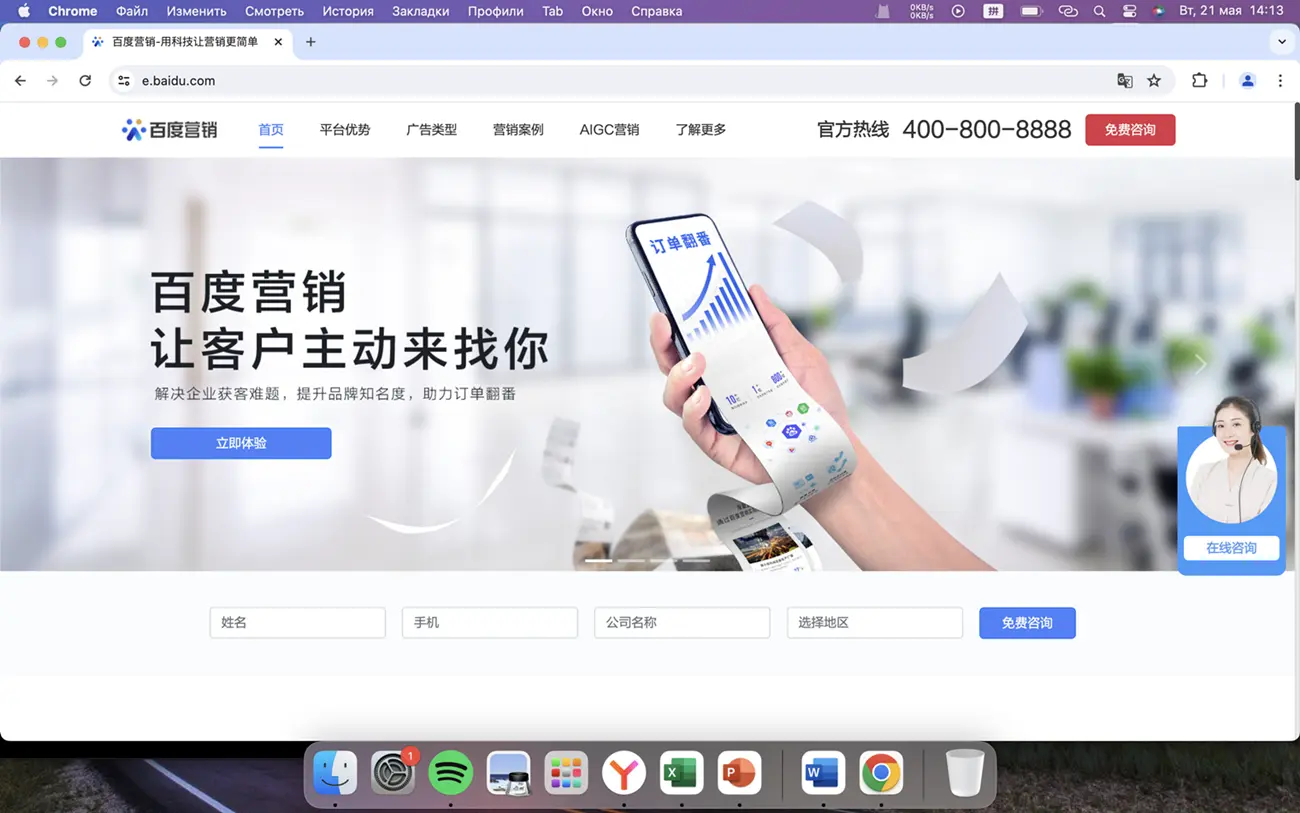
Baidu’s Official Website
Baidu SEO Optimization for Content and Search Features
Content optimization for Baidu goes far beyond translation. Strict character limits apply: title tags should be a maximum of 32-54 characters (with primary keywords at the beginning), and meta descriptions under 107 characters. Top-performing posts average around 4,929 characters and rely on a clear H1–H3 hierarchy.
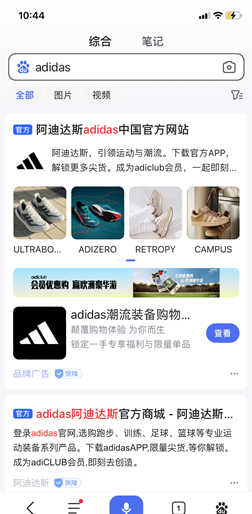
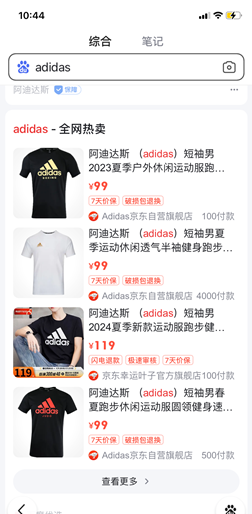

Search Results Page Structure
Integration into Baidu’s native features is just as critical. Content published on Baijiahao receives preferential indexing, driving over 95% of Baidu’s search referrals. Furthermore, securing placement in Baidu’s Aladdin Panel or creating neutral, well-sourced Baidu Baike entries significantly boosts visibility. For mobile users, Smart Mini Programs deliver instant, app-like experiences without downloads, perfectly serving speed-sensitive queries. Finally, user signals from platforms like WeChat, Douyin, Xiaohongshu, and Zhihu are indexed and heavily amplify a site’s behavioral trust signals.



Brand Zone in Baidu
Link Building Strategies and Penalty Avoidance
Effective link building for Baidu focuses exclusively on the Chinese digital ecosystem. Links from international domains (.ru, .com without Chinese localization) receive minimal weight. Instead, Baidu values links from authoritative domestic sources, particularly preferring Chinese websites (.cn), educational institutions (.edu.cn), and major news portals.
Simultaneously, Baidu actively penalizes websites that use manipulative or «black hat» link-building practices. Spam-like or low-quality backlinks can significantly harm your site’s ranking, making the use of disavow options in Baidu Webmaster Tools a necessary defensive strategy.
Common Mistakes to Avoid in Baidu SEO
-
Hosting Out of China
Hosting outside Mainland China without proper technical optimization.
-
Machine Translation
Using AI translation rather than native Chinese copywriting.
-
No ICP License
Operating without a mandatory Internet Content Provider license.
-
Google Tactics
Implementing Google-centric SEO tactics (like relying heavily on JS).
-
Mobile Neglect
Neglecting mobile optimization and speed.
Should You Invest in Baidu SEO?
Investment in Baidu SEO represents an essential strategic imperative for any business targeting Chinese markets given Baidu’s dominant search engine position and the platform’s role as primary gateway to informing over one billion users. Businesses willing to make genuine investment in Chinese localization and platform integration will find Baidu SEO among the highest ROI channels for reaching Chinese consumers, while those seeking quick wins without proper foundation will likely be frustrated by the platform’s unique ecosystem demands.