

The Chinese internet is isolated from the global web, leading to the dominance of domestic digital companies within the local market. A prime example is Baidu, the leading search service in China, whose products are widely used by both everyday consumers and businesses looking to advertise their goods and services in the country. This article will explore what the Chinese search engine Baidu.com is, along with which applications within its ecosystem can be leveraged for marketing and promotion.
Baidu is the absolute leader in the Chinese search engine market, accounting for 61.11% of all search queries across devices and 75.93% from mobile devices. When promoting a product in China, it is crucial to leverage the advantages of the largest search platform. Advertising on Baidu increases brand awareness, enables instant targeted traffic acquisition, and generates leads.
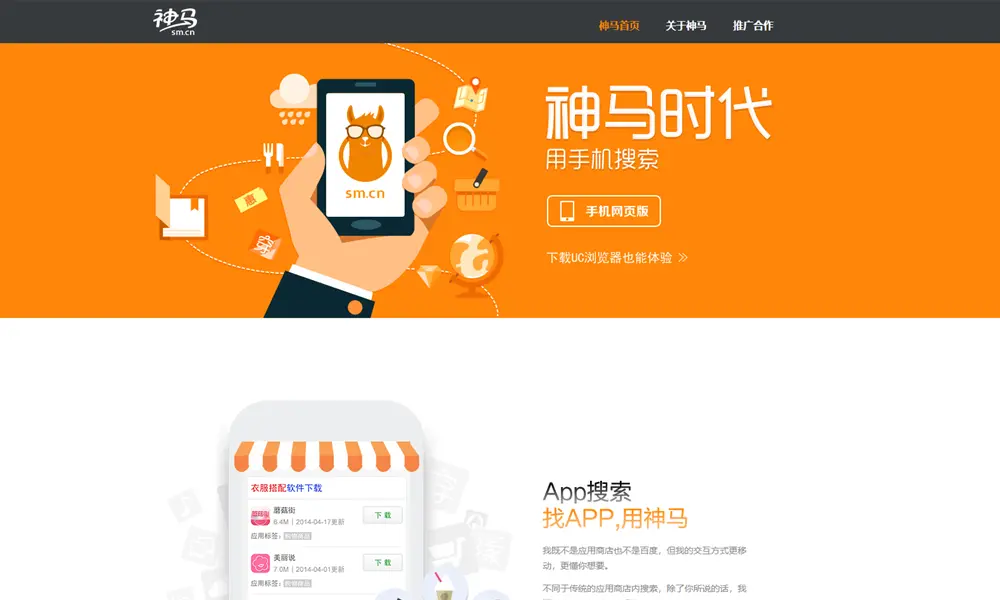
Another major player is the Bing search engine, with a 17% market share; however, it significantly lags behind Baidu in terms of mobile query volume. Amidst fierce competition, Tencent is developing its own search engine, Sogou (9%), which features intelligent text processing capabilities. Additionally, Chinese users utilize the Haosou 360 (6.97%) and Shenma (3.8%) search systems.
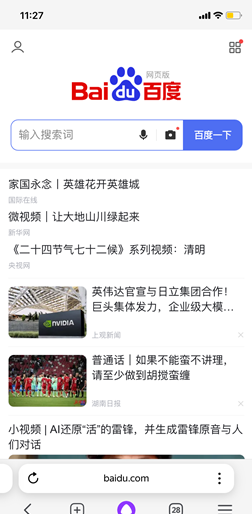
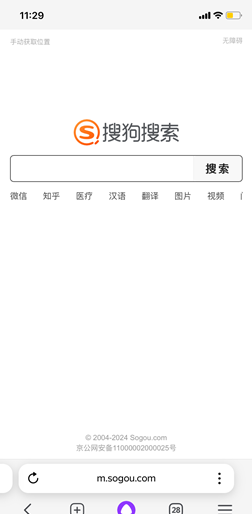
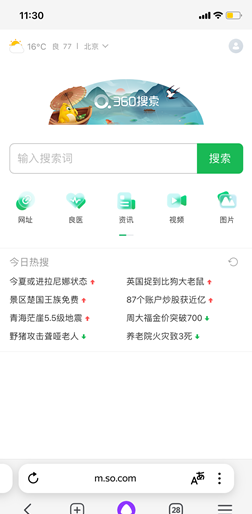
Chinese search engines
BAIDU: KEY FEATURES AND WEBSITE PROMOTION STRATEGIES IN CHINA
620 million users use Baidu daily. The search engine handles 6 billion daily search queries, with users posting over 15 billion pieces of content every day.
Key Features of the Baidu Search Engine:
- Beyond the search engine, the Baidu ecosystem offers over 57 services and tools, including the online maps Baidu Maps, the video platform iQiyi, the online encyclopedia Baidu Baike, the cloud storage service Baidu Wangpan, and the forum Baidu Tieba.
- Baidu is used daily by 218 million people, with 81.7% of its traffic coming from domestic Chinese users.
- Over 200 million people use the Baidu mobile app every day.
- Baidu provides AI-powered services such as predictive text, image search, augmented reality search, and voice input.
- The average Baidu user views more than seven pages per session.
- Baidu advertising is most effective in sectors such as e-commerce, consumer goods, travel, education, healthcare, real estate, fitness, and beauty.
REGISTERING AN ACCOUNT WITH THE BAIDU SEARCH ENGINE
The main methods for registering a personal account are:
- Via a Chinese phone number: You must enter a phone number and receive an SMS with a verification code.
- Registration using a foreign phone number: You can select your country code and use your mobile number to receive an SMS to your local device.
- Registration through QQ Mail, Weibo, or WeChat apps: This is an alternative registration method that does not require a Chinese phone number.
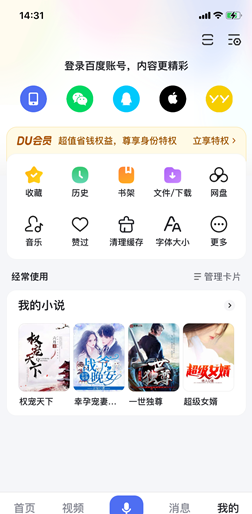
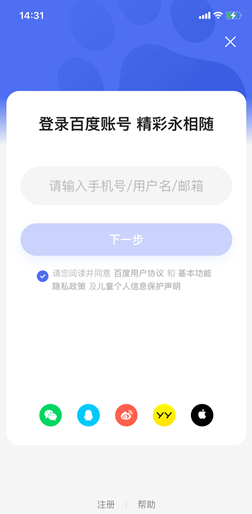
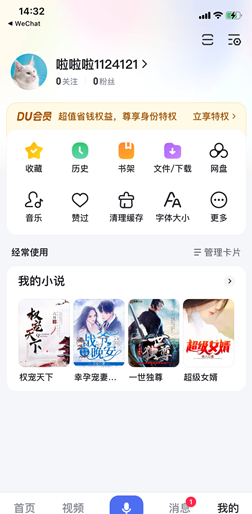
Registering an Account with the Baidu Search Engine
However, creating a Baidu advertising account is a more complex task, especially for foreign companies. Baidu has established a set of requirements for verifying the qualifications of clients from various industries.
To open an advertising account, it is necessary to provide a package of documents. This includes a business license, a permit to conduct the specific type of activity, and other materials depending on the product being promoted. To launch advertising on Baidu, one must first sign a contract, pay an initial account setup fee, and also make an advertising deposit.
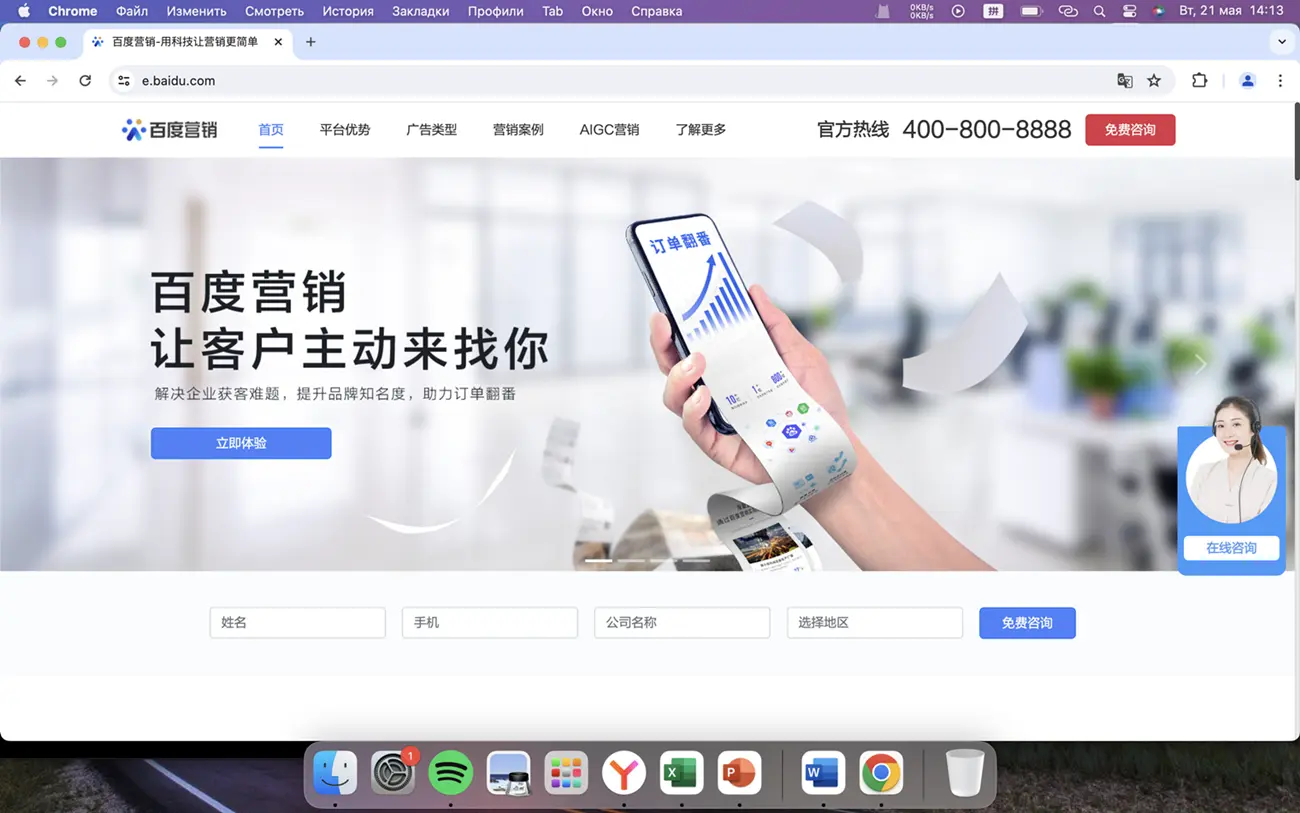
Baidu’s Official Website
HOW THE SEARCH ENGINE DISPLAYS ADS ON PC AND MOBILE DEVICES?
Baidu Marketing (百度营销) is a digital platform from Baidu that integrates advertising capabilities across its search engine and other services like Maps and Baidu Tieba. In 2022, 15.6% of ads placed through Baidu Marketing were in the culture and entertainment sector. The e-commerce sector came in second, accounting for 8.78% of the total ad volume.
Formats available in the Baidu advertising network include: search ads, display ads on Baidu’s partner websites, video ads, and brand zone ads.
Baidu Search Ads are text-based advertisements that appear in prominent positions within search results. These ads must be relevant and match user queries.
Typically, no more than six paid ads are displayed on the first page of desktop search results, and no more than three in the mobile version. What do they consist of?
- Ad Title (Headline): Typically around 25-30 characters. The headline must align with the user’s search query.
- Ad Description: Approximately 80-90 characters. The description should be specific and include a call to action to encourage users to click on the ad.
- Display URL: This is the URL users see in the ad. It does not have to match the target URL exactly but must accurately represent the content of the landing page.
- Destination URL: The actual web address users are directed to after clicking the ad.
- Ad Extensions: Baidu allows the use of various ad extensions, such as site links, location information, and refinements. These provide additional information and increase the ad’s visibility.
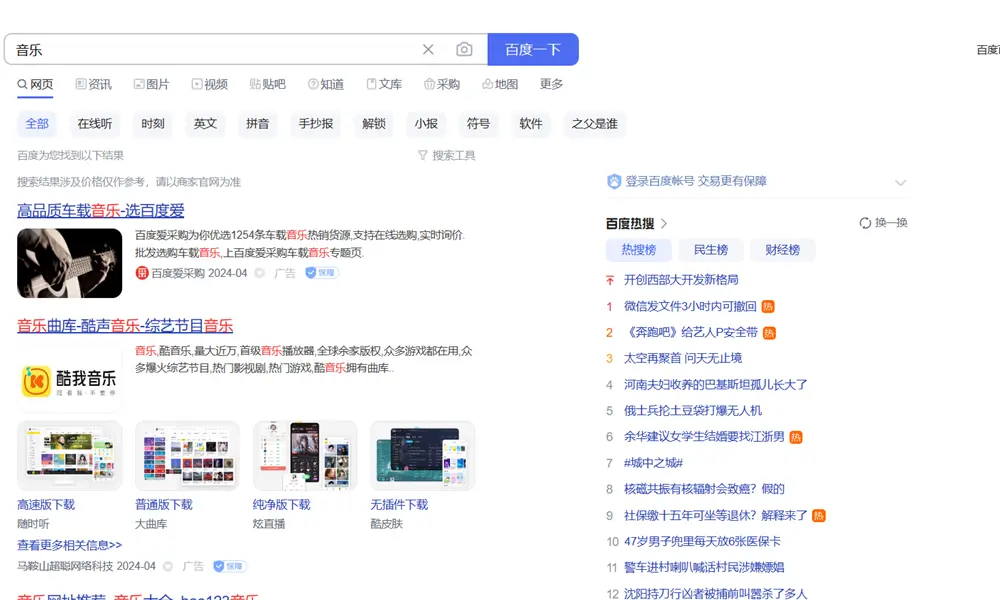
Baidu Advertising
RECOMMENDATIONS FOR SEO AND PPC STRATEGIES IN BAIDU
When developing an SEO strategy, it is important to consider the following factors:
-
ICP License (Internet Content Provider)
For a website to be accessible within the Chinese internet space, every content provider must obtain an ICP license. A foreign company can obtain a standard license, but this requires registering a legal entity in China.
-
Keyword Relevance and Density
Baidu places great emphasis on keyword relevance. It is crucial to ensure that the website’s content matches the target keywords, while also maintaining a natural keyword density.
-
Domain Age
Baidu’s ranking algorithm takes domain age into account. Older domains with regularly updated content and a broad user base have a higher ranking potential.
-
Backlinks
The quantity and quality of backlinks play a significant role in a site’s ranking.
-
Social Media
An active presence on social media platforms, along with user engagement, positively impacts site rankings.
-
Content Quality and Originality
Content must be unique and informative. Plagiarism or duplicate content can lead to penalties.
-
Mobile Optimization
Since the majority of Chinese users access Baidu via smartphones, websites must be optimized for mobile devices.
-
Meta Tags and Descriptions
Well-crafted meta tags (HTML code elements of a web page) and descriptions help Baidu understand the web page’s content.
-
Compliance with Chinese Legislation
Adherence to Chinese laws is a mandatory requirement for achieving high SEO rankings in China.
-
Page Load Speed and Technical Optimization
Baidu’s algorithms consider technical aspects, including page speed, proper HTML coding, and website security.
When launching PPC advertising on Baidu, it is important to consider the following:
- Keyword Research:
Thorough research into the specific keywords (queries) your target audience is searching for is fundamental to successful Baidu advertising.
- Website Optimization:
Most global websites are not accessible in China. Advertising on Baidu requires an ICP license and a high-quality translation of content into Chinese. Furthermore, websites whose content takes longer than 1.5 seconds to load do not meet Baidu’s requirements. In other words, slow websites are not suitable for search advertising.
- Continuous Monitoring and Optimization:
Regularly monitor the performance of your Baidu ads and use analytics for data-driven optimization. Key metrics to focus on for an effective Baidu advertising campaign are:
- Click-Through Rate (CTR): CTR is the ratio of clicks on an ad to the number of times it was shown.
- Conversion Rate (CR): The conversion rate is the percentage of users who complete a desired action, such as visiting a site, making a purchase, or filling out a form on the website. This metric reflects the ad’s ability to turn clicks into valuable actions.
- Impressions: Impressions represent the total number of times your ad is displayed. Monitoring impressions helps assess the overall visibility and reach of your advertising campaign.
- Cost Per Click (CPC): CPC is the average amount you pay each time a user clicks on your ad. This is a crucial metric for budget management and evaluating the cost-effectiveness of your campaign.
- Return on Advertising Spend (ROAS): ROAS measures the return on investment and provides insight into the profitability of your advertising campaign.
- Keyword Performance: Analyzing the performance of individual keywords helps identify which ones are delivering results and which need adjustment.
FEATURES OF OPTIMIZATION IN THE BAIDU SEARCH ENGINE
Language Adaptation
Website content must be fully adapted for the Chinese audience, including the use of Simplified Chinese. This factor is most important, as the Chinese search engine Baidu prefers content created specifically for the local audience.
Hosting in China and ICP License
For a website to load quickly for users in China and achieve high positions in Baidu search, it is recommended to use local hosting. Additionally, to launch a website in China, it is necessary to obtain an ICP license, without which the site will not be indexed by the search engine.
Keyword Core
Creating a keyword core for the Chinese market requires a detailed understanding of local audience preferences. It is especially important to consider popular key queries and phrasing in China. This requires deep analysis and the use of tools such as Baidu Index.
Baidu Analytics and Webmaster
To analyze user behavior on the website and optimize its structure and content, it is necessary to use tools from Baidu, analogous to Google Analytics and Google Webmaster Tools. These resources provide valuable data about how the search engine views the site and allow for configuration to improve visibility.
Link Building
The Baidu search engine places great importance on the quantity and quality of inbound links to a site. However, the methods of obtaining links differ from those accepted in Western search engines. It is important to focus on obtaining quality links from authoritative and thematic resources.
Technical Optimization
Technical aspects, including fast page loading, mobile optimization, and proper server configuration, play an important role in a site’s ranking in Baidu. The search engine prefers sites with good performance and high security indicators.
Text Factors
The quality of content on a site is crucial for its promotion in Baidu. Texts must be unique and interesting to the target audience, and also contain keywords.
STRUCTURE OF THE SEARCH ENGINE RESULTS PAGE
The structure of Baidu’s search results page is designed to most effectively meet the information needs of users. Its various modules facilitate access to relevant data and create favorable conditions for promoting products and services through this platform.
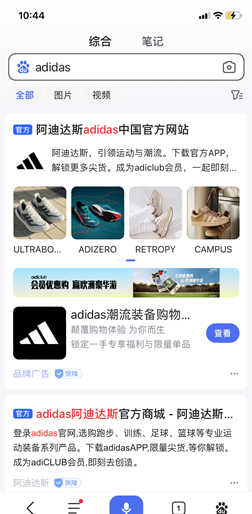
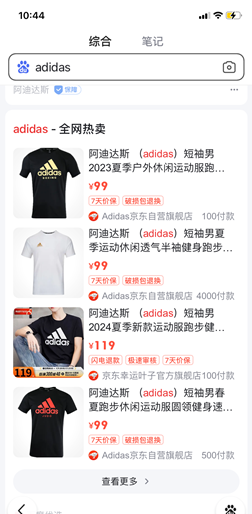
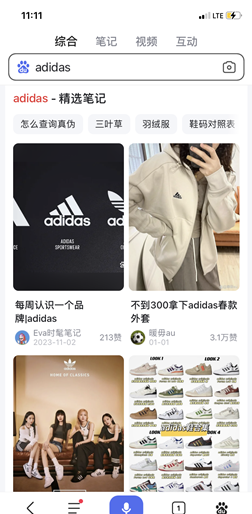
Search Results Page Structure
Organic Results
Organic results hold a key position in the search listings and are based on relevance to the search query, content quality, and other ranking factors such as link authority and website optimization for Baidu’s requirements.
Paid Search Results
Paid search results include contextual advertisements located at the top of the search results page. They are not always clearly separated from organic results, highlighting the importance of careful keyword selection.
Product Listings
Product listings are a crucial tool for both B2B and B2C marketers. They are designed for direct product promotion, with their positioning and layout facilitating quick consumer engagement.
Informational Articles
Informational articles and news briefs provide users with current and detailed information on topics of interest, including the latest events and reviews.
Knowledge Card
The Knowledge Card is a specialized module presenting summarized information for specific queries, such as biographies or definitions, which Baidu provides for quick access.
Media Block
The media block includes videos and images. It enriches the textual search results, offering users a broader range of information and enhancing the visual appeal of search queries.
Related Searches and Topics
The related searches and related topics blocks help expand the search by suggesting alternative or refining queries. They improve the user interface convenience and search scope.
BAIDU CONTEXTUAL ADVERTISING
PPC (Pay-Per-Click) in Search Advertising
One of the most popular types of advertising campaigns on Baidu is PPC, or pay-per-click. This model means advertisers only pay for actual clicks by potential customers to their websites. It is also possible to set up cost-per-conversion bidding (for target actions: purchases, form submissions) using the oCPC (optimized cost per click) model.
PPC campaigns on Baidu allow advertisers to target specific queries for which their ads will be displayed. This enables highly precise reach to audiences interested in your products or services. PPC campaigns are ideal for quickly driving traffic and increasing brand awareness in a short timeframe.
Typically, Chinese consumers trust this form of advertising as it has become an integral part of the Baidu user experience. Companies using Baidu PPC advertising should focus on keyword research, ad relevance, and landing page optimization.
Campaigns in the Display Network (GDN Campaigns)
Display advertising on Baidu provides the opportunity to show banner ads on various websites within the Baidu network, including search results. Advertisers can use various targeting criteria to ensure their ads reach the intended audience.
There are approximately 60 major Baidu platforms that allow for display ad placement. GDN campaigns enhance brand awareness and increase conversions through visual formats that capture user attention.
Whether a user is reading news, browsing articles, or performing a search, Baidu’s algorithms ensure relevant and timely ad placement. The main resources for ad display are the Baidu app, the Baidu Tieba forum, and the BaiQingTing network, which spans 600,000 media channels and provides access to over 700 million users. Specifically, ads can be displayed on partner sites such as Sohu and iQiyi.

Registering with Baidu requires a basic knowledge of Chinese and involves numerous complexities and «unclear» aspects. Therefore, it is better to seek professional assistance.
AVAILABLE WEBSITE PROMOTION FORMATS IN CHINA ON BAIDU
— Display Advertising
- Broad reach across the Baidu network resources.
- Effective attention capture through visual elements.
- Capability for interest and behavioral targeting.
— Feed Advertising
- Integration of ads directly into the user’s content feed.
- High engagement rate due to the native format.
- Targeting setup for a more personalized approach.
— Brand Zone
- Significantly higher impressions and clicks compared to standard pay-per-click search ads.
- Exclusive space for brand promotion within search results.
- Maximum visibility and creative freedom: can include a logo, store link, images, and videos.
- Enhances brand trust and improves brand image among the target audience.
- Appears in search results for generic, non-branded queries.
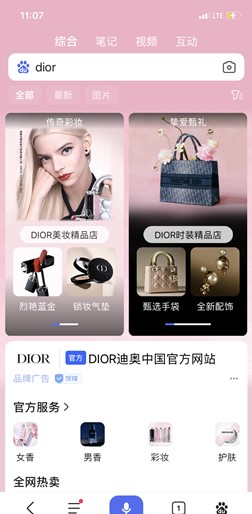
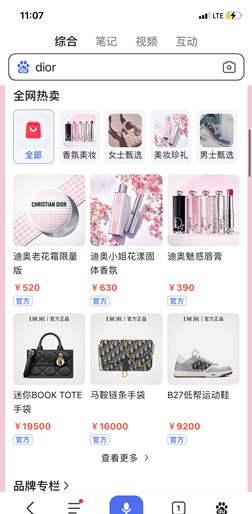
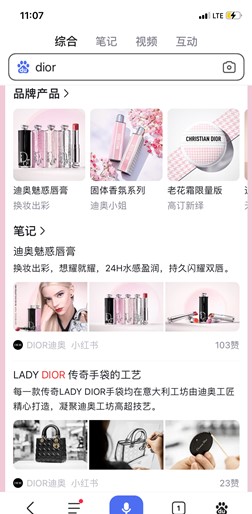
Brand Zone in Baidu
Common Mistakes Made by Beginners
- Insufficiently defined target audience targeting
- Neglecting the country’s cultural and linguistic specifics
- Superficial keyword research: selecting overly broad or irrelevant keywords
- Underestimating the importance of creatives for display advertising
- Excessive budget constraints in a highly competitive environment
- Lack of analytics and failure to make timely strategy adjustments
HOW TO REGISTER A BAIDU ADVERTISING ACCOUNT
To place ads on Baidu, you must have a business registration license: either a Chinese business license (营业执照) or a foreign one (any business registration documents will suffice).
With a Chinese Legal Entity
If you have a company in China, for example, a WFOE (Wholly Foreign-Owned Enterprise), you can open an advertising account for promotion on Baidu.
Standard Process and Timeframes
- First, you will need to provide Baidu with your company name and website URL to verify your eligibility to advertise. In some cases, they may also require your company’s business license. This process typically takes about 1-3 business days.
- After preparing the documents, send digital copies to Baidu for preliminary approval. This approval process takes about 1-2 days.
- Once Baidu approves the digital copies, you need to send all the required documents in hard copy.
- Next, transfer the deposit to a special Baidu account. The processing time depends on your bank. The minimum prepayment for search advertising on Baidu is 10,000 CNY. A service fee of 1,500 CNY is also charged.
- After receiving the deposit, contract, and all necessary documentation, Baidu conducts a final review (usually by the legal department). This takes 3-4 days.
- Upon completion, you will receive the account password via the email address specified in the contract.
Required Documents
- Copy of the company’s business license;
- Company’s legal address;
- Representative’s passport or driver’s license;
- Representative’s active phone number with a call history or top-up record for the last 6 months;
- Bank statement of the legal entity showing recent transaction history (one recent transfer is sufficient, with no minimum amount);
- The company’s full legal name must be displayed in the website footer.
With a Foreign Legal Entity
If you are an international company without a legal entity in China, you can open an international advertising account through an authorized agency.
Required Documents
With the exception of companies in sensitive industries (e.g., finance, medicine, dietary supplements, etc.), requirements are the same for all other companies. You will need to provide:
- Copy of the company’s certificate of registration (e.g., tax registration certificate, INN/OGRN for Russian companies);
- Company’s legal address;
- Representative’s passport or driver’s license;
- Bank statement of the legal entity showing recent transaction history (one recent transfer is sufficient, with no minimum amount);
- Extract of company information from the official tax authority website;
- The company’s full legal name must be displayed in the website footer.
ANALYSIS OF OTHER CHINESE SEARCH ENGINES
Despite Baidu’s dominance, other local search engines are actively developing in China:
- 360 (Haosou) from Qihoo 360, known for its antivirus software.
- Sogou – a subsidiary of the tech giant Tencent.
- Shenma – a mobile search engine developed in partnership with Alibaba.
The market share of smaller Chinese search engines fluctuates monthly. According to statistics from early 2024, the most popular among them was 360 (Haosou), with a share of 9.86% in April. It was followed by Sogou, used by 3.97% of users. Closing the list was the Shenma search engine with a 1.97% share.
“360”
This system emphasizes security and is often used for searching for software and applications. 360 offers a variety of tools for SEO and marketing in China, allowing brands to effectively engage with their audience. для SEO в Китае и маркетинга, позволяя брендам эффективно взаимодействовать с аудиторией.
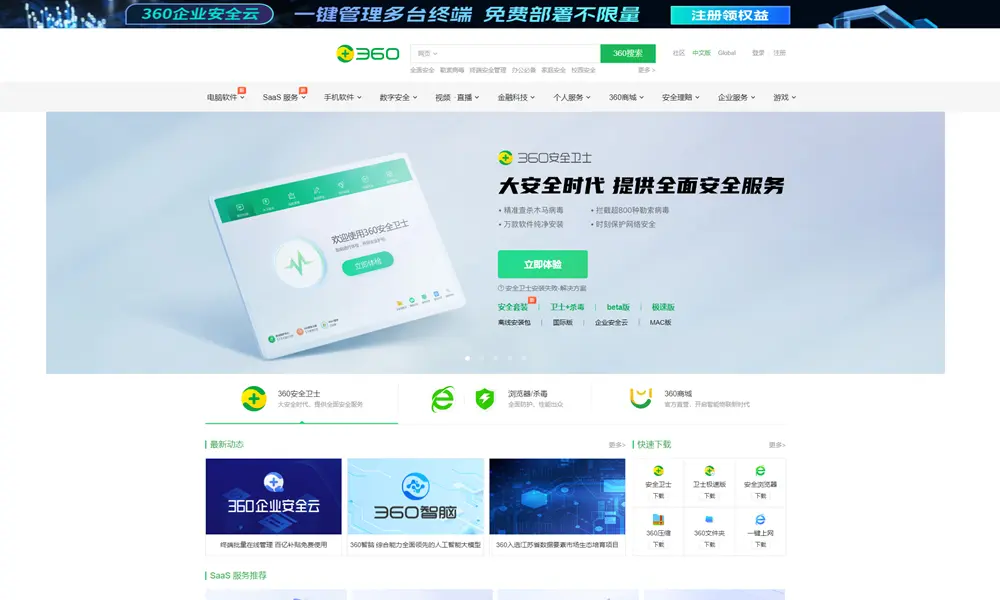
360 Official Website
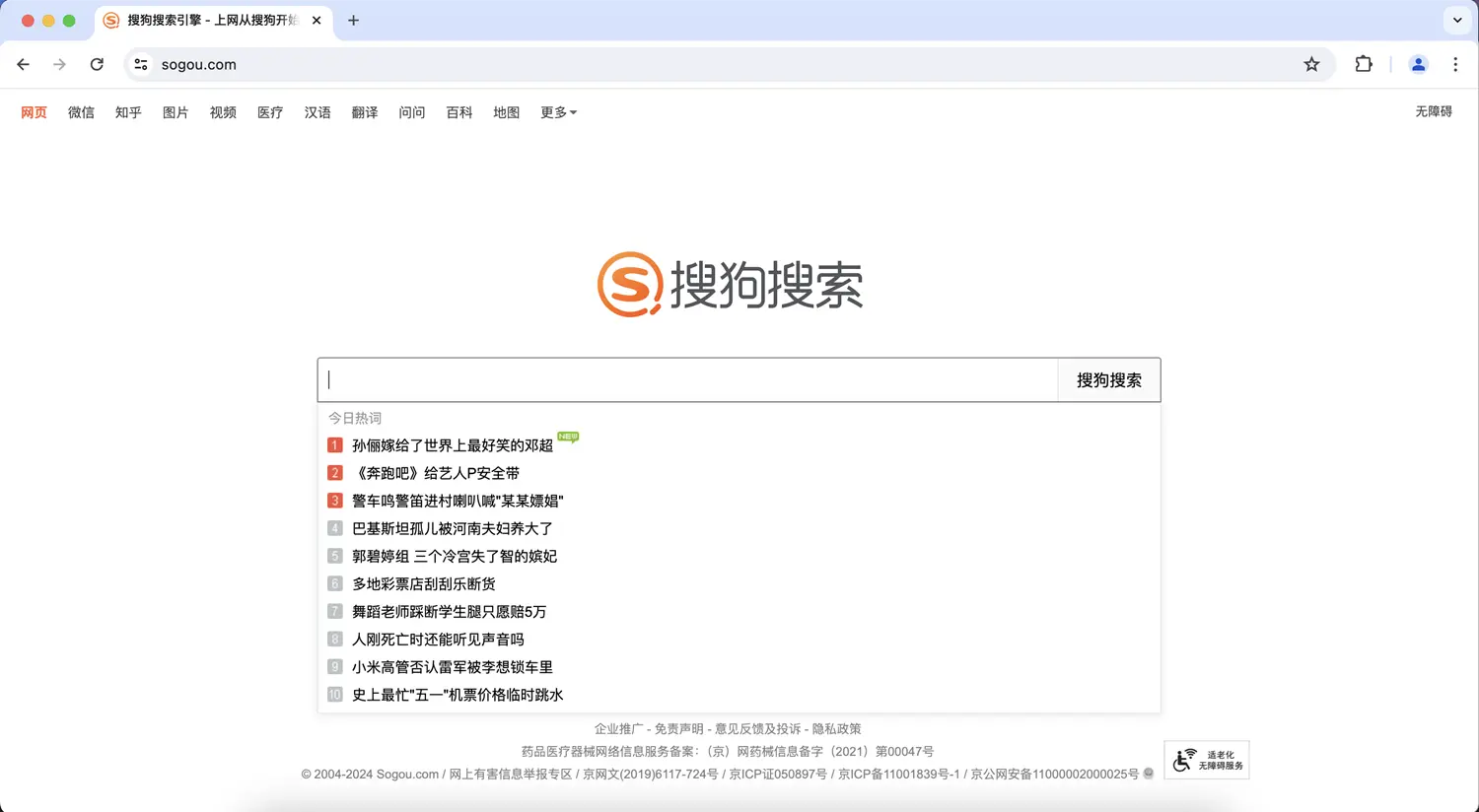
«Sogou«
Sogou stands out for its integration with social networks and messengers like WeChat, allowing users to find information directly through chats. Sogou is also known for its built-in AI and speech processing features, making search more convenient and accurate.
Number of Live Streaming Viewers in China from 2016 to 2023 (Statista)
«Shenma«
This search engine is focused exclusively on mobile search with an emphasis on product promotion, making Shenma an ideal platform for e-commerce. It prioritizes quality content and integration with Alibaba’s platforms for product advertising.
Number of Live Streaming Viewers in China from 2016 to 2023 (Statista)
KEY ASPECTS OF PROMOTION ON CHINESE SEARCH ENGINES
Critical aspects of promotion include optimizing website content considering Chinese laws and cultural nuances, using simplified Chinese characters, and ensuring mobile optimization. It’s essential to guarantee fast loading speeds and website security, while regularly conducting Chinese keyword research and competitor analysis.
To improve website visibility, it’s important to utilize other search engine services like Baidu Zhidao, Baike, and Tieba. Furthermore, successful website promotion in China requires meticulous targeting configuration and integration with other social platforms.
Tips for adapting content and strategies to the specifics of the Chinese online market:
- Regularly study Chinese media trends: this will help you adapt to rapid changes and create more relevant content
- Analyze the strategies and results of local companies to understand the opportunities in the Chinese market
- Promote Chinese-language content on social media to reach the maximum number of target customers
- Pay special attention to platform restrictions and consult with platform managers to avoid account blocks
What restrictions exist when promoting on the platform? Advertising on Chinese search engines requires a deep understanding of Chinese legislation, market specifics, and user habits. Furthermore, simply translating keywords into Chinese is insufficient—they must initially be selected in Chinese, taking into account the specific logic of how Chinese users construct search queries.
WHICH PROMOTION TYPE SUITS YOUR BUSINESS?
Use feed ads if:
- You have a new or little-known brand in China
- You aim to reach a broad audience and increase brand awareness
- You want to save on costs
Use search advertising if:
- Your brand is already known in China or you have established audience communication
- You understand your target audience well
- You have a medium or high budget (ad position depends on competition in your sector)
Use display ads if:
- You need precise targeting capabilities
- You have professional creatives (images, videos, GIFs)
Use the Brand Zone format if:
- Your brand is widely recognized
- You have a high budget
- You want to use additional features to enhance brand recognition
INTEGRATING SOCIAL MEDIA INTO CHINA MARKETING
Along with Baidu promotion, it’s recommended to develop social media accounts — this will improve your brand’s visibility in search results and help effectively engage with users.
Presence on platforms like WeChat, Weibo, Toutiao, and Little Red Book plays a crucial role in attracting your target audience. A successful strategy also includes promotion on video platforms like Douyin, Kuaishou, and Youku. As an additional tool, consider Zhihu — a Q&A platform.
WHY IT’S BETTER TO PROMOTE YOUR BRAND WITH EXPERTS
Target audience analysis, advertising account setup, and content adaptation require significant time investments. Moreover, successful promotion in the Chinese internet is only possible with strict compliance with local regulations.
Unlike self-promotion, expert support helps minimize risks, develop optimal strategies, and achieve the best results in the shortest time frame.
CONCLUSION
Search engine promotion is often a key element of market entry strategy in China. Baidu’s tools can help you find target customers among its massive user base, but it’s crucial to seek expert assistance to account for all promotion nuances. Setting up advertising campaigns, content adaptation, advertising account registration, and keyword selection all require deep understanding of the Chinese internet landscape specifics.
FAQ
Search ads, display ads on the contextual media network, feed ads, and the Brand Zone.
Yes, an advertising account can be opened with either a Chinese or an international business license.
Use Chinese hosting and a mobile-optimized website, focus on SEO optimization and linguistic adaptation, and develop social media presence for additional traffic.
For advertising campaigns with limited budgets, conversion optimization (oCPC) is recommended. Cost-per-lead bidding allows you to control the number of target actions from your potential audience. Feed advertising, which reaches a broad audience through native integration into news feeds, also helps increase brand awareness.
The budget is calculated based on the average cost-per-click (CPC) in your niche and for your specific keywords. This metric is influenced by the competitive environment (including competitor bids), query relevance, ad appeal, time of display, and a range of other factors.